Food lovers around the world talk about Peru with a mix of curiosity and admiration. Restaurant rankings, travel shows, and social media feeds all point to the same conclusion: this South American country has become a global culinary reference. But what turned a national food culture into an international phenomenon?
This article explores the core reasons behind the global success of Peruvian cuisine. You will see how geography, history, creativity, and smart promotion came together to create a food scene that chefs and travelers now consider essential. Along the way, you will discover the dishes, ingredients, and cultural forces that explain why Peru’s food has captured so much attention.
A Unique Geography That Fills the Pantry
Peru’s extraordinary biodiversity sits at the heart of its culinary fame. The country stretches from Pacific coast to Andes mountains and Amazon rainforest, creating several distinct ecosystems in a relatively small area. Each region offers its own ingredients and cooking traditions.
Chefs in Peru have access to an enormous variety of products, many of them still little known outside the country. Some of the most important include:
- Hundreds of potato varieties, from waxy yellow types to purple and blue tubers
- Dozens of corn types, including giant kernels and deep purple cobs used for drinks and desserts
- Fresh Pacific seafood that makes ceviche possible on a daily basis
- Amazonian fruits and peppers that add color and intensity to sauces and drinks
This natural abundance gives Peruvian cuisine a depth of flavor and texture that many visitors immediately notice. When people taste dishes built on such a rich pantry, they often remember them long after the trip ends.

A Long History of Cultural Fusion
Peruvian food tells a story of migration and exchange. Over centuries, Indigenous traditions blended with Spanish, African, Chinese, Japanese, and Italian influences. Instead of replacing one another, these cultures layered and combined, creating something new.
Some of the most celebrated Peruvian dishes show this fusion clearly:
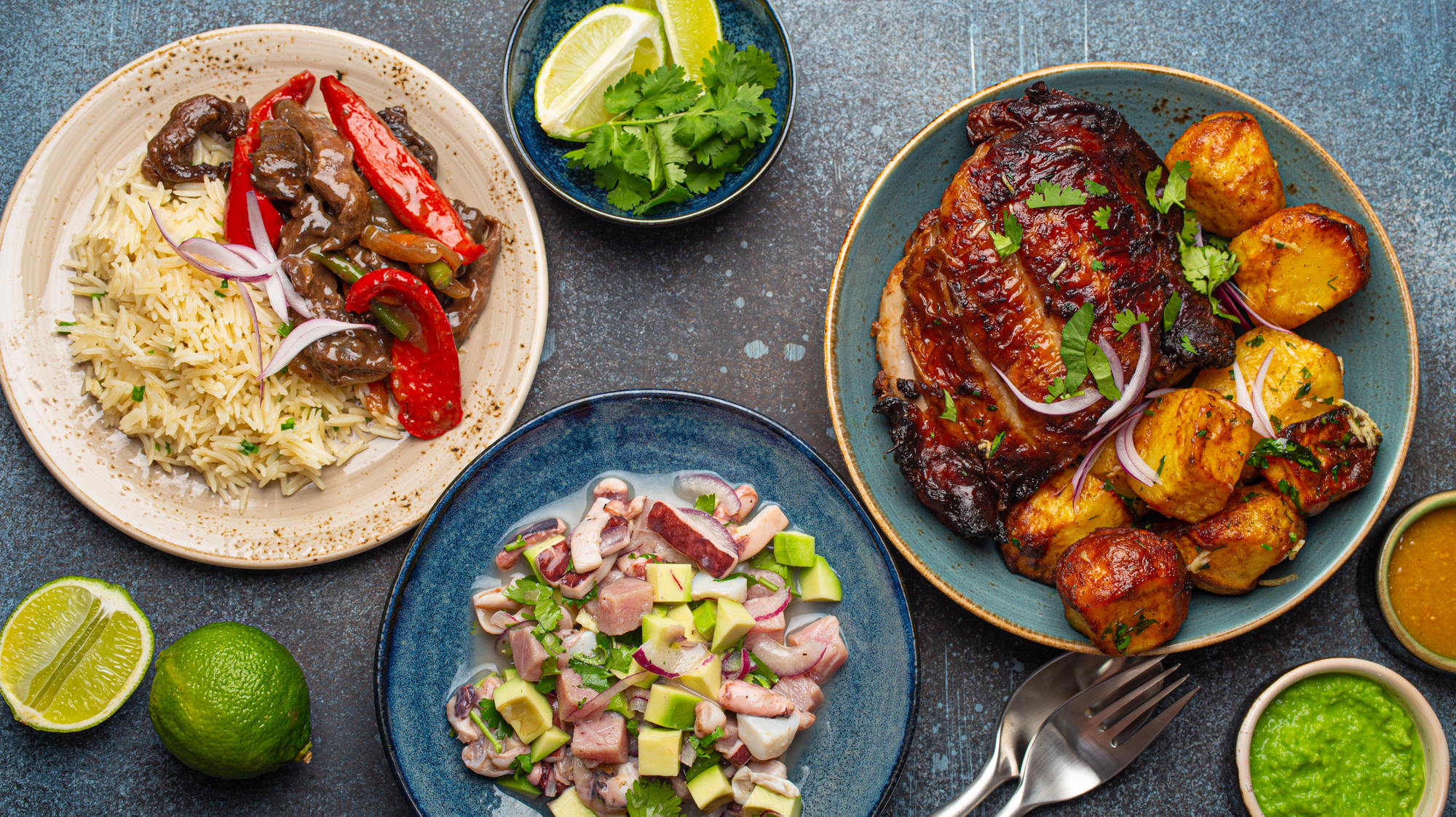
- Ceviche: Indigenous techniques for curing fish with citrus, refined with global ingredients like onions and chili peppers
- Lomo saltado: A stir-fry of beef, onions, tomatoes, and soy sauce, born from Chinese immigrant cooking and served with rice and fries
- Nikkei cuisine: A blend of Japanese and Peruvian traditions, using local fish and chilies with sushi and sashimi techniques
This constant mixing turned Peru into a culinary laboratory. Diners around the world now recognize that this fusion is not a trend but a long, continuous process of adaptation and creativity.

Iconic Dishes That Travel Well
Why has Peruvian food spread so quickly in cities from New York to London to Tokyo? One reason is that many of its signature dishes adapt easily to international tastes while keeping a distinct identity. They feel familiar and adventurous at the same time.
Some of the most influential examples include:
- Ceviche – fresh, bright, and relatively light, it fits well with modern preferences for seafood and clean flavors.
- Aji de gallina – shredded chicken in a creamy chili and nut sauce, comforting yet complex.
- Anticuchos – marinated skewers (often beef heart) grilled and served with potatoes or corn, ideal for street food and restaurants alike.
These dishes give chefs clear reference points when they open Peruvian or Peruvian-inspired restaurants abroad. They also offer a gateway for new diners who want to explore the cuisine without feeling overwhelmed.
Star Chefs and International Recognition
Peru’s culinary rise did not happen by accident. Over the last few decades, a group of chefs, restaurateurs, and food activists worked deliberately to promote the country’s food culture. They opened ambitious restaurants, wrote books, and appeared in documentaries.
Several Lima restaurants now appear regularly on global rankings such as The World’s 50 Best Restaurants. This visibility matters because it:
- Attracts food tourism from travelers who plan entire trips around meals
- Encourages investment in local producers and culinary schools
- Inspires young chefs in Peru and abroad to experiment with Peruvian flavors
As these chefs gain international awards and media coverage, they help fix the idea that Peruvian cuisine belongs among the world’s most important food traditions.

Credit to @ritualatmanresa
Street Food and Fine Dining Working Together
One of the strengths of Peruvian cuisine is the balance between everyday food and high-end restaurants. Visitors can enjoy a memorable meal at a market stall or at a tasting-menu restaurant, and both experiences feel authentically Peruvian.
Common street and market foods include:
- Pollo a la brasa – rotisserie chicken with crispy skin and seasoned fries
- Pan con chicharrón – sandwiches filled with fried pork, sweet potato, and onion relish
- Emoliente and fruit juices – warm grain-based drinks and fresh blends sold from carts
Fine-dining chefs often reinterpret these familiar flavors with new techniques and presentations. This link between street food and haute cuisine keeps the scene grounded and dynamic at the same time.

A Strong Sense of Culinary Identity
Peruvians generally talk about their food with pride. This shared enthusiasm has played a major role in promoting the cuisine abroad. When locals celebrate their dishes, visitors pay attention and often carry that enthusiasm home.
Food has also become part of Peru’s national narrative. Schools, media, and public campaigns often present gastronomy as a symbol of diversity and resilience. This approach:
- Encourages regional recipes to be documented and preserved
- Motivates producers to maintain traditional crops and techniques
- Creates a unified message when Peru presents its cuisine at fairs and festivals overseas
As a result, Peruvian cuisine feels both local and global, rooted in place yet ready to be shared with the world.
Health, Freshness, and Modern Food Trends
Many people today look for food that feels fresh, colorful, and relatively balanced. Peruvian cuisine aligns well with these preferences, which has helped it gain traction internationally. Dishes often combine vegetables, grains, and proteins in satisfying ways.
Some aspects that appeal to health-conscious diners include:
- Abundant use of citrus, herbs, and chilies instead of heavy sauces alone
- Traditional grains such as quinoa and kiwicha, now popular in global nutrition conversations
- Frequent presence of fish and seafood, especially along the coast
While not every dish is light, the overall image of Peruvian food fits well with modern ideas of vibrant, ingredient-focused cuisine.
Global Migration and Local Adaptation
Peruvian communities abroad have also played a key role in spreading their food culture. As Peruvians settled in North America, Europe, and other parts of Latin America, they opened restaurants and small food businesses that introduced local customers to their flavors.
These restaurants often adapt recipes to local ingredients while keeping core elements such as:
- Aji amarillo and aji panca chilies for depth and color
- Lime-marinated seafood for ceviche-style dishes
- Rice and potato combinations that define many traditional plates
This balance of adaptation and authenticity makes Peruvian cuisine flexible enough to thrive in many different markets, from casual neighborhood spots to upscale venues.
Peruvian cuisine became famous through a rare combination of geography, history, and deliberate effort. A rich natural pantry, centuries of cultural fusion, and a strong sense of identity gave the food its distinctive character. Star chefs, street vendors, and migrant communities then carried those flavors to global audiences.
For travelers, exploring Peruvian food means far more than tasting a few famous dishes. It offers a window into the country’s landscapes and its layered past. Whether you encounter ceviche in Lima, lomo saltado in a neighborhood restaurant abroad, or quinoa in your local supermarket, you are seeing part of a much larger story—one that continues to evolve as Peru’s culinary influence grows around the world.


