Machu Picchu, the lost city of the Incas, stands as a testament to ancient engineering and spiritual devotion. Perched high in the Andes Mountains of Peru, this UNESCO World Heritage site draws millions of visitors annually, each seeking to connect with its mystique and breathtaking beauty. Planning a trip to this iconic destination requires careful consideration to ensure a memorable and respectful experience. This guide provides essential information for travelers, covering everything from historical context to practical tips, helping you navigate your journey to one of the world’s most awe-inspiring archaeological wonders.
Understanding the history and logistics behind a visit to Machu Picchu enhances the overall experience. How does one prepare for the altitude, secure the necessary permits, and choose the best route to this ancient citadel? This article will explore these questions, offering a comprehensive overview to help you plan your adventure efficiently and enjoyably.
Understanding Machu Picchu: A Historical Overview
Machu Picchu was built around 1450 AD at the height of the Inca Empire. Historians believe it served as a royal estate for the Inca emperor Pachacuti or as a sacred religious site. Its strategic location, nestled between mountains and overlooking the Urubamba River, highlights the Inca’s mastery of both construction and landscape integration.
For centuries, the Spanish conquest overlooked Machu Picchu, leaving it remarkably preserved. Hiram Bingham III, an American explorer, brought the site to international attention in 1911. Today, it stands as a symbol of Inca ingenuity, showcasing sophisticated dry-stone construction that has withstood earthquakes and the test of time.

Photo by Lars Mulder on Pexels
Planning Your Journey: Essential Pre-Trip Steps
Successful travel to Machu Picchu begins long before you arrive in Peru. Careful planning ensures you navigate the logistical requirements smoothly and enjoy your visit. This involves considering the best time to go and securing your entry permits well in advance.
Best Time to Visit
Peru experiences two main seasons: the dry season (May to October) and the wet season (November to April). The dry season offers clearer skies and less rain, making it ideal for hiking and photography. However, it also brings larger crowds and higher prices.
The wet season presents lush, green landscapes and fewer tourists, but rain can be frequent and heavy, potentially impacting trail conditions. Many travelers find shoulder months like April, May, September, and October offer a good balance of pleasant weather and manageable crowds.
Securing Your Entrance Tickets
Due to conservation efforts, Machu Picchu limits daily visitors. Booking your entrance tickets several months in advance is crucial, especially if you plan to visit during peak season or climb Huayna Picchu or Machu Picchu Mountain. Tickets are sold in timed entry slots to manage visitor flow.
- Purchase tickets through the official Peruvian Ministry of Culture website or a reputable tour operator.
- Select your preferred entry circuit (1, 2, 3, or 4), as each offers a different route through the citadel.
- Remember that tickets are non-transferable and non-refundable.

Photo by Angel Valladares on Pexels
For a smooth journey, having Fodor's Essential Peru: With Machu Picchu & the Inca Trail (… on hand will help you navigate all the essential pre-trip steps and local customs.
Getting There: Transportation Options
Reaching Machu Picchu Pueblo (Aguas Calientes), the town at the base of the ruins, involves several steps. Travelers typically start their journey from Cusco, Peru’s former Inca capital. From Aguas Calientes, a bus takes visitors up to the actual archaeological site.
The Scenic Train Ride
The most popular way to reach Aguas Calientes is by train. PeruRail and Inca Rail operate services from various stations, including Poroy (near Cusco) and Ollantaytambo in the Sacred Valley. The train journey offers stunning views of the Urubamba River and the surrounding Andean landscape.
- Poroy Station: Closest to Cusco, but fewer daily departures.
- Ollantaytambo Station: More frequent departures; many travelers combine a visit to the Sacred Valley with their train journey.
- Book train tickets in advance, particularly for preferred times and classes.
Trekking to Machu Picchu: The Inca Trail and Alternatives
For adventurous travelers, trekking to Machu Picchu provides an immersive experience. The classic Inca Trail is a world-renowned four-day hike that leads directly to the Sun Gate, offering a dramatic first view of the citadel. Permits for the Inca Trail are highly restricted and often sell out six months to a year in advance.
Several alternative treks offer equally rewarding experiences without the strict permit limitations. These include:
- Salkantay Trek: A challenging five-day hike through diverse ecosystems, from high mountain passes to cloud forests.
- Lares Trek: A cultural trek passing through traditional Andean villages, often combined with a train ride to Aguas Calientes.
- Jungle Trek: A multi-sport adventure involving biking, rafting, and hiking.
All treks require booking with a licensed tour operator. Ensure your chosen operator is responsible and ethical, providing proper equipment and fair treatment to porters.

Photo by Abdul Kayum on Pexels
Exploring the Citadel: What to See and Do
Once you arrive at Machu Picchu, a world of ancient wonders awaits. The site is vast, and understanding its layout helps you make the most of your visit. Consider hiring a certified local guide for your first entry to gain deeper insights into the history and significance of each structure.
Key Architectural Marvels
Machu Picchu features several iconic structures that highlight Inca architectural prowess. The Temple of the Sun showcases advanced stonework and astronomical alignment. The Intihuatana stone, or “Hitching Post of the Sun,” is a precisely carved rock believed to have served as an astronomical clock or calendar.
Other notable areas include the Royal Tomb, the Main Temple, and the Temple of the Three Windows. Wandering through the agricultural terraces and residential sectors reveals the daily life and organizational complexity of the Inca civilization.
Optional Hikes: Huayna Picchu and Machu Picchu Mountain
For those seeking panoramic views and an additional challenge, two optional hikes are available from within the Machu Picchu site itself. These require separate, limited-availability tickets booked in conjunction with your main entrance ticket.
- Huayna Picchu: The iconic peak behind the citadel. This steep, challenging climb offers incredible aerial views of Machu Picchu. Limited to 400 climbers per day.
- Machu Picchu Mountain: A less steep but longer hike than Huayna Picchu. It provides a broader, elevated perspective of the entire site and the surrounding valley. Limited to 800 climbers per day.
Both hikes offer unique perspectives and unforgettable photo opportunities, but they demand good physical condition and a head for heights.
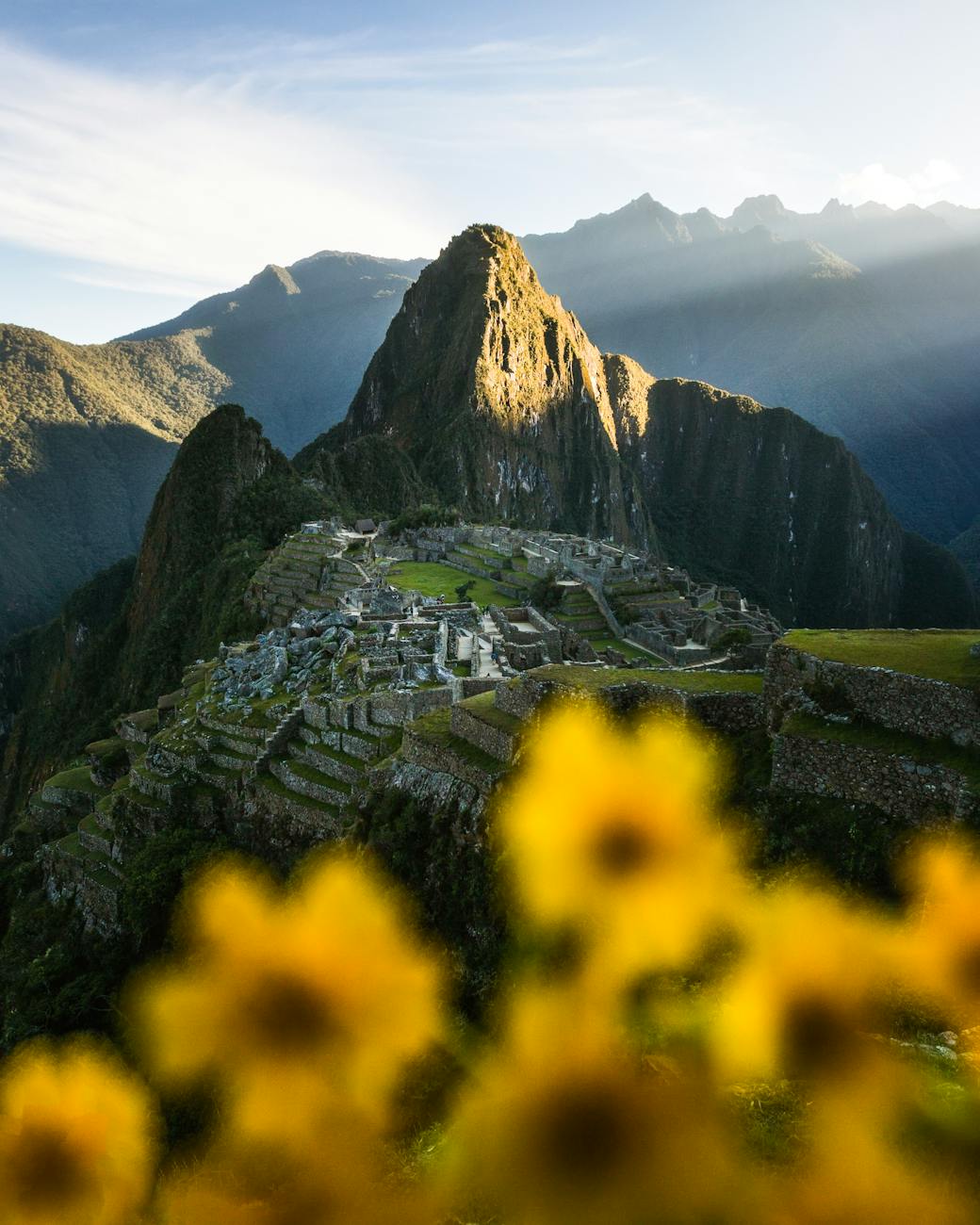
Photo by Trace Hudson on Pexels
Practical Tips for a Smooth Visit
Preparing for your visit with a few practical considerations ensures comfort and safety. From managing the altitude to knowing what to bring, these tips enhance your overall experience.
Managing Altitude Sickness
Machu Picchu sits at an elevation of 2,430 meters (7,972 feet), while Cusco is even higher at 3,400 meters (11,150 feet). Acclimatizing for at least 2-3 days in Cusco or the Sacred Valley before ascending to Machu Picchu is highly recommended. Drink plenty of water, avoid alcohol, and consider coca tea, a traditional remedy.
What to Pack
Packing smart makes a significant difference. Essentials include:
- Layered clothing: Weather can change quickly, from cool mornings to warm afternoons.
- Rain gear: A waterproof jacket or poncho, regardless of the season.
- Comfortable walking shoes: Essential for navigating the uneven terrain.
- Sun protection: Hat, sunglasses, and high-SPF sunscreen.
- Insect repellent: Especially during the wet season.
- Water bottle: Stay hydrated.
- Small backpack: To carry essentials.
- Passport and tickets: Absolutely crucial for entry.
Remember that large bags are not allowed inside the citadel and must be stored at the entrance.
Exploring Machu Picchu offers an unparalleled journey into the heart of ancient Inca civilization. By understanding its history, planning your logistics carefully, and preparing for the unique challenges of the Andean environment, you can ensure a profound and rewarding experience. This comprehensive guide aims to equip you with the knowledge needed to navigate your adventure confidently and respectfully.
Whether you choose the scenic train ride or embark on a multi-day trek, the majestic beauty and spiritual energy of Machu Picchu will undoubtedly leave an indelible mark. Embrace the journey, immerse yourself in the rich cultural heritage, and discover why this ancient wonder continues to captivate the imagination of travelers worldwide.

Photo by DANIEL QUEIROZ on Pexels
To ensure comfort and safety while managing the altitude, OxyBoost Complex. Altitude Formula for Acclimation to Ski or… can make a significant difference in your overall experience.


