These 10 Peruvian party food ideas bring golden potato bites, green ají verde, grilled skewers, and fresh seafood to the table without formal plating. Each idea includes guidance for where it fits in the party and practical shortcuts for preparing, reheating, or assembling it.
The timing makes the biggest difference. Chilled dishes stay neat when their parts are stored separately, while fried and baked bites regain their crisp texture with a final burst of heat. Begin with an optional Pisco Sour, then use the serving notes below to keep food moving as guests arrive.
1. Tapioca Cheese Bread Welcome Bites
Cold, heavy appetizers can slow the start of a party. Mini papas rellenas offer a distinctly Peruvian welcome with a crisp potato shell, a savory filling, and a size that guests can hold with one hand.
Shape Early, Reheat Late
Shape and cook the stuffed potato bites ahead, let them cool, and refrigerate them in a covered container. Shortly before guests arrive, spread them across a metal sheet pan and reheat them in the oven. The open space around each one helps the outside become crisp again.
Serve the papas rellenas in a shallow basket lined with a cotton napkin. The fabric holds some warmth and keeps the golden bites from sliding around. Make them small so guests can enjoy one or two without filling up before the other food arrives.
A tray of mini papas rellenas gives guests a substantial welcome bite without requiring plates or utensils. Place it near the drinks table, where people naturally gather first.
For a classic welcome, pair the warm potato bites with small Pisco Sours. The cool, tart drink balances the crisp shell and savory filling, making the combination well suited to the start of dinner.
Leonyo Non-Toxic Stainless Steel Baking Quarter Sheet Pans fit easily in standard ovens and heat the potato bites evenly throughout.


Photo by Laura oliveira on Pexels
2. Shrimp-Stuffed Avocado Starter Boats
Small green avocado halves make tidy holders for shrimp dressed with lime and ají amarillo, a combination that gives this chilled starter a clear Peruvian flavor. Arrange them on a white ceramic platter so the green fruit and golden pepper dressing stand out.
Prepare the shrimp mixture several hours ahead and refrigerate it in a covered container. Stir in only enough lime and ají amarillo dressing to coat the shrimp because excess liquid can pool inside the avocado and make the starter difficult to pick up.
- Cut the avocados close to serving time to limit browning.
- Pat the cooked shrimp dry before adding the dressing.
- Choose small avocados or cut larger halves into thick wedges.
- Set each piece on a lettuce leaf if the platter feels slippery.
Fill the avocado cavities just before guests reach the table. Use a small cookie scoop to portion the ají amarillo shrimp filling neatly inside the fruit without letting it spill over the edge.
Finish each piece with chopped cilantro and a small squeeze of lime. Keep the completed platter cold until serving, especially during a warm afternoon gathering. These boats work best as an early starter, before hot trays and grilled foods begin moving through the room.

Photo by Ruben Dao Cuentas on Pexels
3. Papa a la Huancaína Cups
Chill the potatoes and sauce in separate containers, then assemble the cups shortly before serving. This keeps the potato slices firm and prevents the creamy sauce from settling into a heavy layer at the bottom.
Build Clean, Even Layers
Place a round of cooked potato in each small glass or reusable appetizer cup. Spoon over a modest layer of ají amarillo cheese sauce, then add another potato slice if the cup has enough depth.
Clear cups show the soft yellow sauce against the pale potatoes. They also keep the classic dish tidy, which helps when guests are standing or moving between rooms.
Finish Near Serving Time
Add the garnish after assembly so it stays fresh and visible. A small olive piece or a neat strip of hard-cooked egg gives a familiar finish without crowding the cup.
Set the cups on a flat tray with small forks tucked beside them. Avoid filling each cup to the rim, since guests need room to lift a potato slice without pushing sauce over the edge.
This format works well for a make-ahead lunch or dinner party. Most of the work happens earlier, yet the smooth sauce and clean layers still look fresh when the tray reaches the table.
DLux Mini Dessert Cups with Spoons hold individual portions securely while showing off distinct layers of sauce and potato.
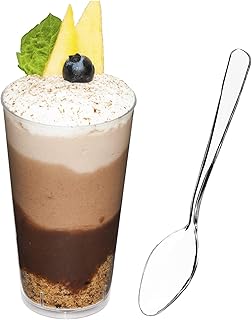

Photo by Nano Erdozain on Pexels
4. Layered Peruvian Causa Bites
A common mistake is shaping one large causa and cutting it after chilling. The soft potato layers can drag under the knife, and the filling may press out along the edges. Form individual portions from the start for cleaner results.
Use a mini muffin pan as a simple mold. Press seasoned yellow potato into each cavity, add a small amount of chicken, tuna, or avocado filling, and cover it with another layer of potato. Keep the layers compact, but don’t crush them.
Chill the pan until the bites feel firm enough to lift. If sticking is a concern, line the cavities with narrow strips of food-safe wrap, leaving enough at the sides to help remove each piece.
For a smoother finish, pipe the potato mixture through a wide plain tip. Piping creates even edges and makes the chilled causa bites look polished on a passed appetizer tray.
Arrange them on a flat platter with a little space between portions. A thin avocado slice, olive piece, or dot of ají sauce adds color without making the bites hard to carry. Keep the tray chilled until close to serving, since both the filling and potato hold their shape better when cool.
Wilton Gold Non-Stick Muffin Pans shape the seasoned potato mixture into uniform portions without sticking.


Photo by tommao wang on Unsplash
5. Quinoa Arancini With Ají Verde
Rice arancini may be the familiar choice, but quinoa gives the same crisp, breaded format a clear Peruvian link. Its small grains also create a lighter, more textured center that pairs well with a creamy dip.
Cook the quinoa until tender, then let it cool fully before mixing in beaten egg and breadcrumbs as binders. Warm quinoa can release steam inside the breading and make the balls harder to shape.
Prep the Balls Ahead
Shape the bound mixture into small rounds that can be eaten in two bites. Place them on a parchment-lined sheet pan and chill until firm, then coat them with crumbs. Keep the breaded balls covered in the refrigerator until frying time.
- Use slightly damp hands to keep the quinoa from sticking.
- Make every ball close in size so they cook at the same pace.
- Add more breadcrumbs if the bound mixture feels too wet to hold.
- Fry in batches so the oil stays hot and the crust remains crisp.
Drain the cooked arancini on a wire rack instead of stacking them on a plate. Air can move beneath the crust, which helps stop the bottoms from becoming soft. Transfer them to a warm platter once the last batch is ready.
Serve the golden bites with cilantro-and-ají verde sauce in a wide, shallow bowl. Guests can dip without pushing the arancini too deep into the sauce. Its bright green color also stands out against the toasted crumb coating.
This vegetarian option fits well during the middle of a party, when people want something warm and filling. Shape and bread everything earlier, then save only the frying and final plating for serving time.

Photo by Aykut Aktemur on Pexels
6. Salchipapas Cones With Coleslaw
Picture guests crossing the room with paper cones filled with hot fries and golden sausage pieces. Salchipapas bring casual street-food spirit to the middle of a party, when everyone wants something warm and easy to carry.
Keep Every Cone Crisp
Pan-fry sliced beef sausages until their edges brown, then pair them with French fries in sturdy grease-resistant cones. Cut the sausage into bite-size rounds so guests can pick up both parts with a small wooden fork. A wide tray or cone stand will keep the portions upright.
Add crisp coleslaw just before serving. Keep it in a chilled bowl until then, since its dressing can quickly soften the fries. You can also spoon the slaw into a small paper cup placed inside each cone.
Serve sauces on the side for less mess. Ají verde adds fresh chile flavor, while ketchup offers a mild option. Fill the cones in small rounds instead of preparing every portion at once. The fries stay hotter, and the serving table looks fresh as the evening continues.
Friteshop Eco Brown Cardboard Cones hold hot fries and sausage securely with a built-in compartment for dipping sauce.


7. Grilled Anticuchos for Mingling
Need a main party bite that won’t keep guests seated? Anticuchos work well because the short skewers can move straight from the grill to a platter. This popular Peruvian street food also creates an inviting smoky aroma.
Beef heart is the traditional choice. It has a firm texture and rich flavor that stand up well to high heat. Steak offers a familiar alternative for guests who may hesitate over organ meat, though it won’t have quite the same character.
- Cut the meat into small, even pieces so each skewer cooks at the same rate.
- Marinate it overnight with ají pepper, garlic, vinegar, and warm spices.
- Thread the pieces onto short wooden or metal skewers, leaving a little space between them.
- Grill in batches as people mingle instead of crowding the cooking surface.
Keep raw and cooked skewers on separate trays. If you use wooden skewers, soak them before grilling to reduce scorching.
Arrange the finished anticuchos on a heat-safe platter with ají verde and lime wedges nearby. A small tray beside the serving area gives guests a clear place to leave used sticks. Plan several grill rounds, since fresh batches taste better than skewers held warm for a long time.
HOPELF Natural Bamboo Skewers provide a sturdy length for threading marinated meat into easy-to-grab portions.


Photo by Mohamed Olwy on Pexels
8. Tuna Tiradito With Ají Amarillo
This sleek seafood plate suits hosts who want a cool, polished centerpiece. Skip it if fresh, properly handled raw tuna isn’t available or if the platter must sit out for a long period.
Cut Clean, Thin Slices
Chill the tuna well and use a long, sharp knife. Slice across the grain, then arrange the pieces in a single layer on a cold ceramic or glass platter. Slightly overlapping rows create a neat presentation without hiding the fish.
Keep the platter refrigerated until guests are ready. Since the slices are delicate, prepare other dishes first and make the tiradito one of your final tasks.
Add Sauce at the Finish
An ají amarillo dressing gives the tuna bright color, gentle heat, and a clear Peruvian flavor. Spoon it over the fish immediately before presentation. Adding it too early can change the tuna’s texture and dull the clean look of each slice.
Finish with thin chile rings or small cilantro leaves if desired. Serve the tiradito with cocktail forks or small plates, and return leftovers to the refrigerator promptly.

Photo by DΛVΞ GΛRCIΛ on Pexels
9. Classic Ceviche Serving Station
Ceviche fixes the problem of serving a starter that feels light but still commands attention. In Peru, it commonly opens a meal, and its mix of seafood, citrus, red onion, and chile wakes up the appetite.
Choose seafood sold for raw preparation and keep it cold from the store to the table. Cut it into even bite-size pieces so the citrus reaches each surface at roughly the same time. Slice the red onion thinly for crunch without letting it overpower the seafood.
Mix the ceviche close to serving time. Citrus changes the texture of raw seafood, so this dish shouldn’t be treated like an all-day make-ahead salad. Prepare the seafood, onion, chile, and citrus separately, then combine them shortly before guests arrive at the station.
Set the serving bowl inside a larger bowl filled with ice. A wide stainless steel or glass bowl works well because guests can see and reach the ceviche without digging through a deep container. Keep serving spoons, small cups, and forks beside it to prevent a crowd around the table.
Offer a mild batch and a hotter batch if your guests have different tastes. Label each one clearly and keep extra chile on the side. Replace melted ice as needed, and put out smaller amounts rather than one oversized bowl.
This timing takes some attention, but the station rewards it. Guests get bright citrus flavor, cool seafood, and crisp onion in every portion instead of a mixture that has softened while waiting.

Photo by Alina Skazka on Pexels
10. Mini Rocoto Relleno Peppers
Small red peppers, each about two or three bites, create a warm final course that guests can hold on a little plate. Mini rocoto relleno peppers feel substantial after lighter seafood starters and chilled appetizers.
Prepare the Peppers Early
Remove the tops and seeds, then blanch the peppers if you want to soften their strong heat. Fill each one with seasoned meat and place it upright in a shallow baking dish. A snug arrangement stops the peppers from tipping as they bake.
- Cook the meat filling before stuffing the peppers.
- Cool the filling before assembling the tray.
- Cap each pepper with melted cheese.
- Refrigerate the covered dish until baking time.
Bake one tray when guests begin looking for heartier food. The cheese should turn golden, and the centers should be hot before serving. Use small tongs to move the peppers to individual plates without tearing them.
Rocoto peppers can be quite hot, so tell guests what to expect. For a milder version, use small sweet peppers with the same filling. Both choices deliver a warm, satisfying finish without requiring you to cook every pepper during the party.

Photo by Kevser Köroğlu on Pexels
Conclusion
Where to Start This Weekend
Build your menu around one dish that controls the party’s timing. Anticuchos invite guests toward the grill, while a ceviche station creates a cool first stop near the drinks. Salchipapas work later, when people want warm food they can carry.
Keep serving pieces small and release hot dishes in batches. This approach gives you breathing room and keeps trays from sitting untouched. Add simple labels for spicy peppers, raw seafood, and milder options so guests can choose with confidence.
Start with salchipapas for a casual crowd. Choose tuna tiradito for a smaller, polished dinner, or make mini rocoto relleno when guests need a hearty final bite.
Read next: 7 Peruvian Food Aji de Gallina Recipes for Beginners


