Peru is home to nearly 4,000 potato types, and its cooking turns them into far more than side dishes. If you’re searching for Peruvian food with potato, start by matching the right potato texture to the dish.
Waxy potatoes hold neat slices under creamy sauce, while floury ones make smooth causa and crisp fries. That choice keeps layers firm, edges sharp, and sauces from sinking into a watery plate. This list will help you prepare 10 Peruvian potato dishes at home and recognize their traditional versions while traveling.
1. Papa a la Huancaína With Creamy Sauce
Thick potato rounds, about half an inch wide, give the Huancayo favorite a firm base for its rich cheese-and-pepper sauce. Cut them evenly so they cook at the same rate and look tidy beneath the sunny coating.
Use a waxy potato that stays intact after boiling. Lower the potatoes into salted water, then cook them until a knife enters with slight resistance. Overcooked slices can crumble as soon as the sauce touches them.
Build the Huancaína Sauce
Blend fresh cheese with ají amarillo, milk, oil, and plain crackers. The crackers thicken the mixture without making it heavy. Add the milk in small amounts, since a loose sauce will slide off the potato rounds and pool around the plate.
Ají amarillo brings fruity heat as well as deep color. If you use jarred paste, taste it before adding extra salt because prepared products can vary. Blend until the sauce looks smooth, with no visible cracker crumbs.
Arrange lettuce on a cool plate, set the potatoes on top, and spoon over enough sauce to cover their centers. Add halved eggs and dark olives at the sides, as they often appear in Peru. Cool the potatoes before adding the sauce so the cheese mixture keeps its thick texture.

Photo by Federico P on Pexels
2. Chilled Causa de Atún Cake
Let the mashed potatoes cool before adding lemon juice and oil. Warm mash absorbs too much liquid, which can leave the causa soft and difficult to unmold.
Choose floury potatoes and press them through a ricer or fine sieve while they’re still warm. Once cool, season the mash with lemon juice, ají amarillo, oil, and salt. Mix only until the seasoning spreads through the potatoes.
A small metal ring or straight-sided bowl creates the clean cake shape seen at restaurants. Lightly oil the inside before filling it, then build the causa directly on the serving plate.
- Press a firm potato layer into the base.
- Add sliced avocado in a single overlapping row.
- Spread tuna salad evenly without packing it hard.
- Finish with another potato layer and smooth the surface.
Chill the filled mold until the layers feel firm. Lift the ring straight upward rather than twisting it, which can drag the tuna through the outer edge. Keep every layer cold before unmolding for a clean, cake-like finish.
Causa de atún works as a starter or light meal. When you see it on a menu in Peru, look for the same lemony mash, mild chili warmth, and clear filling through the center.
Stainless Steel Food Molds with Pushers give you the precise walls needed for lifting off a neat cylinder without smudging.
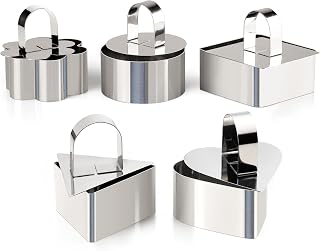

Photo by Nano Erdozain on Pexels
3. Chicken Causa With Avocado Layers
A common mistake is mixing too much mayonnaise into the chicken. A wet filling pushes into the potato, so use just enough dressing to bind the shredded meat.
Make a Firm Potato Base
For family-style serving, line a shallow rectangular dish with food-safe wrap so you can lift out the whole causa. Press the potato mixture firmly into the corners to create a stable base.
Spread the base with a flat spoon, keeping its depth even across the dish. Thin spots can crack as portions are lifted onto plates.
Keep the Filling Distinct
Distribute the chicken evenly so every slice contains enough filling. Add the top potato layer in small portions, then gently join them without pressing chicken toward the sides.
The rectangular format suits a shared table because it divides into uniform servings. Cut it into squares or bars and serve cold with a simple lettuce garnish.

Photo by Nano Erdozain on Pexels
4. Ocopa Arequipeña Under Herb Sauce
Huancaína sauce tastes creamy and pepper-led, but ocopa has a deeper herbal flavor with a light roasted note. The thick sauce comes from Arequipa and is spooned over boiled potato slices in much the same way.
Blend peanuts, fresh cheese, chili, herbs, milk, and plain crackers until smooth. Toasting the peanuts briefly in a dry pan strengthens their flavor, but let them cool before blending. Hot nuts can warm the cheese and thin the mixture.
Huacatay gives traditional ocopa its distinct herbal taste. If you find it as a paste in a Latin American grocery, add a small amount first and taste before using more. Its flavor can take over the milder cheese and peanuts.
The finished sauce should sit on a spoon without running off at once. Add more cracker if it feels loose, or a little milk if the blender struggles. Add liquid one spoonful at a time to avoid an overly thin result.
Serve the sauce over cooled boiled potatoes with egg and olives beside them. When eating in Arequipa, compare its earthy, herbal finish with the brighter pepper flavor of papa a la Huancaína.

Credit to @suyorestaurant
5. Salchipapa in a Street-Food Tray
A paper tray lands on the counter with crisp fries underneath, sliced sausage on top, and wooden picks tucked along one side. This casual Peruvian street snack is simple to copy for a quick lunch or late meal.
Cut the potatoes into sticks of equal thickness so they finish together. Rinse away the surface starch, dry them thoroughly, and fry until the outside feels crisp. Water left on the potatoes can cause dangerous splattering near hot oil.
Layer It Like a Street Snack
Cook the sausages separately, then slice them on a slant before piling them over the fries. Separate cooking keeps their moisture from softening the potatoes.
- Add ketchup in thin lines rather than a heavy pool.
- Use mustard for sharpness against the rich sausage.
- Spoon on chili sauce according to your heat preference.
- Set out wooden picks for easy sharing.
Serve salchipapa as soon as it’s assembled. Dry the cut potatoes completely before frying, both for better crispness and safer cooking. On a Peru trip, you may spot larger versions with extra meats or sauces, but the sausage-and-fries base is the form to learn first.

Photo by Kioto Estudio on Pexels
6. Lomo Saltado Beside Golden Fries
Should the fries go under the beef? Keep them beside the stir-fry at first, as many plates do, so you can taste their crisp edges before they absorb the sauce.
Sear Fast, Serve at Once
Cut beef into even strips and pat them dry. Heat a wide pan until very hot, add a little oil, and sear the meat in small batches. Crowding the pan releases steam and keeps the beef from browning.
Add thick onion wedges and tomato pieces after the meat develops color. They should soften at the edges but hold their shape. Soy sauce and vinegar create the salty, sharp juices linked with this Peruvian-Chinese stir-fry.
Cook sturdy fries until crisp and season them right away. Plate the beef mixture, fries, and rice in separate areas, then spoon some pan juices over the potatoes. For a softer result, fold the fries into the pan during the final 30 seconds.
This method lets you compare both serving styles before ordering lomo saltado in Peru. The separate plate has stronger texture, while mixed fries soak up more of the savory sauce.

Photo by gokceakyildiz on Pexels
7. Pastel de Papa With Browned Cheese
This baked dish suits cooks who want a rich potato side for roasted meat or a large lunch. Skip it if you need a fast snack, since neat layers take time to slice, arrange, and bake.
Pastel de papa is often associated with Arequipa. It uses thin potato rounds held together by milk, eggs, and cheese, creating a firm casserole with a deeply browned top.
- Choose firm potatoes that stay intact during baking.
- Slice them to an even thickness so every layer cooks at the same rate.
- Whisk the milk and eggs before pouring the mixture around the stacked slices.
- Finish with cheese that melts well and develops a browned crust.
A mandoline gives the most regular slices, but a sharp chef’s knife also works. Aim for pieces about 3 millimeters thick; thick rounds may stay firm after the filling has set.
Let the casserole rest before cutting it into squares. The pause allows the egg mixture to settle, so each serving shows clear potato layers instead of sliding apart. Serve it beside grilled beef or a crisp salad for contrast.
Stainless Steel adjustable Mandoline slicer lets you cut uniform potato rounds that cook at the exact same rate.


Photo by MARIBEL ROSETE on Pexels
8. Papas Rellenas Split Open
Mashed potatoes often fall apart during frying. Papas rellenas fix that problem with a firm shell, careful sealing, and a light coating that protects the filling.
Build a Dry, Savory Center
Cook ground beef with finely chopped onion until little moisture remains. Stir in chopped olives and hard-boiled egg after the pan comes off the heat. Cool the filling fully before shaping, since warm juices can weaken the potato shell.
Flatten a portion of seasoned mashed potato in your palm. Place a spoonful of filling in the center, then close the potato around it and form a plump oval. Keep the filling away from the edges as you seal.
Protect the Potato Shell
Dust each stuffed potato lightly with flour, dip it in beaten egg, then roll it in flour once more to cover the surface. Check for cracks before frying. Use damp fingers to smooth small gaps, but avoid enough water to make the shell sticky.
Fry in batches and turn each piece with care until the outside forms a crisp crust. The oil should stay near 175°C or 350°F so the shell browns before absorbing excess oil.
Cut one open after a brief rest. A clean cross-section should reveal a distinct beef center and an unbroken potato seal around it.

9. Cau Cau in a Deep Bowl
Small cubes, close to 1.5 centimeters wide, give cau cau its familiar spoon-friendly shape. Cut the potatoes and prepared tripe to a similar size so both appear in every serving.
This traditional stew combines tripe and potatoes with turmeric, mint, peas, and carrots. Turmeric colors the broth and gives it an earthy base, while mint adds a fresh note that keeps the dish from tasting too heavy.
Clean and prepare the tripe according to the package directions before adding it to the pot. Simmer it until tender, then add the diced potatoes later so they hold their edges. Peas and carrots can go in near the end, since they need less cooking time.
Use a deep bowl to hold the broth and chunky ingredients. Serve rice on the side if you want to copy a common Peruvian plate and soften the stew’s rich flavor.
For a first taste, label the tripe clearly when serving it to guests. Its chewy texture differs from beef muscle, so smaller, evenly cooked pieces make a more approachable introduction to cau cau.

10. Carapulcra Made With Dried Potatoes
Soak the dried potatoes first until the pieces are hydrated throughout and bend or yield slightly when pressed. Drain them well, then transfer them to the pot for simmering so they can absorb the pork, chili, and spice-rich broth.
Build the Stew in Layers
Carapulcra stands apart from fresh-potato dishes because drying changes the potato’s flavor and bite. The finished stew has a dark, textured appearance and a deep earthy taste.
- Brown pork pieces in a heavy pot, then set them aside.
- Cook the chili base and warm spices in the rendered fat.
- Add the drained, soaked potatoes and enough liquid for a slow simmer.
- Return the pork, then stir in ground peanuts as the stew thickens.
Keep the heat low and stir across the bottom of the pot. Ground peanuts can settle and scorch if the mixture boils hard. Add a little liquid when the stew becomes thick before the potatoes feel tender.
The dried pieces should remain distinct but yield easily when pressed with a spoon. Let the carapulcra rest briefly before serving so the sauce settles around the pork and potatoes.
Serve it in a deep bowl so its coarse texture stays visible. Preparing it at home builds familiarity with the firm, absorbent character that dried potatoes bring to a stew.

Photo by César O'neill on Unsplash
Choose Your First Taste
Start with the dish that answers your biggest travel question. Papa a la Huancaína helps you learn the fruity heat of Peruvian peppers, while papas rellenas shows how local cooks turn potatoes into a full meal.
Make one recipe before your trip, then look for its regional or restaurant version in Peru. Notice the sauce thickness, potato texture, filling, and serving temperature. Those details give you useful points of comparison and make unfamiliar menus easier to read.
Leave room for a dish you haven’t cooked, especially carapulcra or cau cau. Their ingredients show a different side of the country’s potato traditions. Avoid replacing every unfamiliar ingredient with a convenient substitute; find the proper chili, dried potato, or herb first, then adjust only when the original is unavailable.
Read next: Traditional Peruvian Dishes You Must


