Travelers exploring Peruvian food will meet pollo a la brasa, a crisp-skinned, marinated rotisserie chicken served across Peru. This practical classic recipe pairs it with ají verde and uses clear visual cues that work in a home oven.
The common mistake is chasing a nearly black surface with excessive heat. Deep color should come from soy sauce, garlic, spices, and steady roasting; a thermometer confirms when the meat is ready.
From 1940s Rotisserie to Peruvian Icon
Pollo a la brasa originated in Peru during the 1940s. Traditionally, whole chickens rotate over charcoal, which cooks them evenly and gives the skin a smoky, concentrated crust. Menus may also describe the dish as pollo asado, rotisserie chicken, or charcoal chicken.
A home oven cannot copy the rotating spit exactly, but a wire rack set over a rimmed baking sheet exposes more of the bird to hot air. Choose a chicken weighing about 4 pounds so the skin browns before the breast dries out.
Elevating your bird above the pan using a Stainless Steel Cooling Rack allows hot air to circulate freely underneath for all-over crispness.


Build the Garlic-Lime Marinade
Mix the marinade in a nonreactive glass or stainless-steel bowl. Avoid aluminum because lime juice can react with it and leave a metallic taste.
- 4 garlic cloves, finely grated
- 3 tablespoons soy sauce
- 2 tablespoons fresh lime juice
- 1 tablespoon neutral oil
- 2 teaspoons ground cumin
- 2 teaspoons smoked paprika
- 1 teaspoon dried oregano
- ½ teaspoon black pepper
Soy sauce supplies salt and savory depth, lime adds acidity, and oil carries the spices across the skin. Whisk until the mixture looks uniform, then reserve two tablespoons before it touches raw chicken if you want extra sauce for cooked meat.
Mixing your marinade inside a MCIRCO Glass Mixing Bowls prevents any unwanted metallic aftertastes from ruining the vibrant citrus flavor.


Photo by Dr Muhammad Amer on Unsplash
Marinate the Chicken for Even Flavor
Pat the chicken dry inside and out with paper towels. Slide two fingers beneath the breast skin to loosen it without tearing, then rub marinade directly onto the meat. Coat the legs, cavity, back, and outer skin.
Remove Surface Moisture
Refrigerate the chicken uncovered on a rack for at least 8 hours and no longer than 24 hours. Before roasting, scrape away thick garlic clumps and blot any pooled liquid. A thin coating browns; wet patches steam.

Photo by Amanda Lim on Unsplash
Roast for Dark, Crisp Skin
Set an oven rack in the lower-middle position and heat the oven to 425°F. Place the chicken breast-side up on a wire rack over a foil-lined sheet pan. Tuck the wing tips underneath so they don’t scorch.
Roast for 50 to 70 minutes, turning the pan once. Check three things separately: the marinade should look dark and dry, the skin should feel crisp, and an instant-read thermometer should register 165°F in the thickest breast and thigh areas without touching bone. If color develops too quickly, cover only that area loosely with foil.
Checking the thickest part of the meat with a Alpha Grillers Digital Meat Thermometer ensures your chicken reaches a safe internal temperature.


Pair Fries with Ají Verde
Cook frozen fries according to their package directions, using a preheated sheet pan to improve browning. Salt them as soon as they leave the oven.
Blend the Green Sauce
- Blend ½ cup mayonnaise, ¼ cup cilantro leaves, one seeded jalapeño, one garlic clove, one tablespoon lime juice, and two tablespoons crumbled queso fresco.
- Add cold water one teaspoon at a time until the sauce falls slowly from a spoon rather than sitting in a mound.
Taste before adding salt because the cheese and mayonnaise already contain some. Serve the sauce chilled beside the hot chicken and fries.
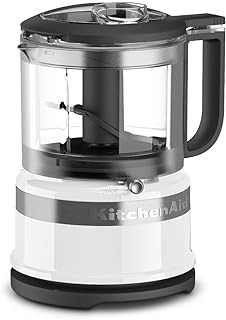
Whizzing the green sauce ingredients together in a KitchenAid 3.5 Cup Food Chopper creates that signature smooth and creamy texture effortlessly.

Rest, Carve, and Reheat Without Drying
Move the chicken to a board and let it rest for 15 minutes. Remove each leg quarter at the joint, separate drumsticks from thighs, then cut away the breasts and slice them across the grain. A 4-pound bird gives about four main-course portions.
Refrigerate cooked chicken within two hours in a covered container. Reheat pieces skin-side up on a rack at 375°F until the center reaches 165°F, usually 12 to 18 minutes. Keep unused marinade for only one day if it never contacted raw poultry; discard any that did.

Choose Your First Practice Run
A trial meal before visiting Peru gives you a useful reference point when reading local menus. Record the chicken’s weight, roasting time, and final thermometer readings on your recipe. Those notes make the second attempt far more reliable than judging doneness by color alone.
For a weeknight test, roast leg quarters with the same marinade and begin checking them after 35 minutes. For a full shared meal, prepare the whole bird and blend the ají verde one day ahead. Travelers focused on restaurant comparisons should start with the classic whole-chicken method, then notice how charcoal aroma and sauce heat differ once they arrive in Peru.
Read next: 7 Foods From Peru: Easy Peruvian Recipes at Home


