So you want to plan a trip to Bolivia and not totally wing it at the airport? Good call. Bolivia feels wild and magical, but your prep does not need to feel chaotic.
I remember my first time there. I packed like I went on three different vacations at once, forgot half my documents, and almost cried at 4,000 meters. You can do better. 🙂
This guide keeps it simple, friendly, and real. I’ll walk you through regions, documents, packing, transport, and all the good stuff you actually care about when you plan your trip to Bolivia. Ready?
Travel Guides to Bolivia
Let’s start with how you even plan this thing without losing your mind to 47 open tabs.
- Offline guidebook: I still carry a small paper guide. I mark it up, rip pages out, and spill coffee on it. A decent guidebook gives you maps, itineraries, and background, even when your phone dies at some random bus stop.
- Travel blogs and YouTube: I love recent blog posts and vlogs for real prices, updated visa info, and what things actually look like now, not five years ago.
- Maps and apps: I download offline maps and a Spanish phrase app. They save me when I pretend I understand directions and then instantly forget them.
Pick one main planning source and use the others to fill gaps. Too many guides kill your itinerary fast.
This is where Lonely Planet Bolivia (Travel Guide) really came through for me.
Understanding Bolivia’s Diverse Regions
Bolivia looks small on the map, but the regions feel like different worlds. You plan better when you know where you actually want to go, right?
High Andes and Altiplano
The highlands give you La Paz, Uyuni, Potosí, and Lake Titicaca. You meet crazy altitude, dry air, and views that make you forget Instagram filters. I plan slower days here because my body walks stairs like I just ran a marathon.
Yungas and Valleys
The Yungas sit between the Andes and the jungle. Think steep roads, warm air, coffee farms, and cloud forests. The valleys around Cochabamba and Sucre feel softer. You find milder weather, pretty plazas, and tons of food.
Amazon and Lowlands
The Amazon region gives you wetlands, rivers, and a wall of humidity that attacks your hair. I pack for rain, bugs, and sun here. Santa Cruz and the lowlands feel more modern and hot, with different food and culture.
If you remember one thing, remember the word altitude. That one shapes how your whole route feels.

Credit to @p
Wish someone had told me about Lonely Planet Bolivia (Travel Guide) sooner, it really helps you get a feel for each region before you even pack your bags.
Essential Travel Documents and Requirements
Boring topic, huge stress saver. Nothing ruins your travel to Bolivia faster than some missing paper at the border.
I always check my passport first. I make sure it stays valid for at least six months after my trip and has empty pages. I also print a copy and keep a photo on my phone, just in case something goes missing.
Visa rules change a lot. I check my country’s rules on the Bolivian consulate site before I book flights. Some travelers buy visas on arrival, some need them in advance, and some just walk through. FYI, I never trust old forum threads for this stuff.
For health things, I check if I need a yellow fever vaccine when I hit Amazon or lowland areas. I carry a basic list of my meds in Spanish and travel insurance that covers altitude, delays, and maybe my poor decisions on mountain roads. I print the policy number and keep it with my passport.
I like having a RFID Passport Holder & Travel Wallet on hand for keeping all my vital documents secure and organized.
Packing Tips for Different Climates
Bolivia can freeze you at night and roast you at noon. I learned that lesson in one painful day in La Paz.
Layering Smart
- Layers: I pack a base layer, a warm sweater or fleece, and a light waterproof jacket instead of one big coat. I switch combos as the day changes.
- Footwear: I carry one pair of solid sneakers or light boots and one pair of sandals. Fancy shoes stay home.
- Sun and cold gear: I throw in a hat, buff, and sunglasses. The sun at 3,500 meters does not play nice.
For the jungle or lowlands, I add light long sleeves, bug repellent, and fast-drying clothes. I love a small daypack for buses and tours. I keep valuables close, and I never overpack because I know I end up wearing the same three outfits anyway.
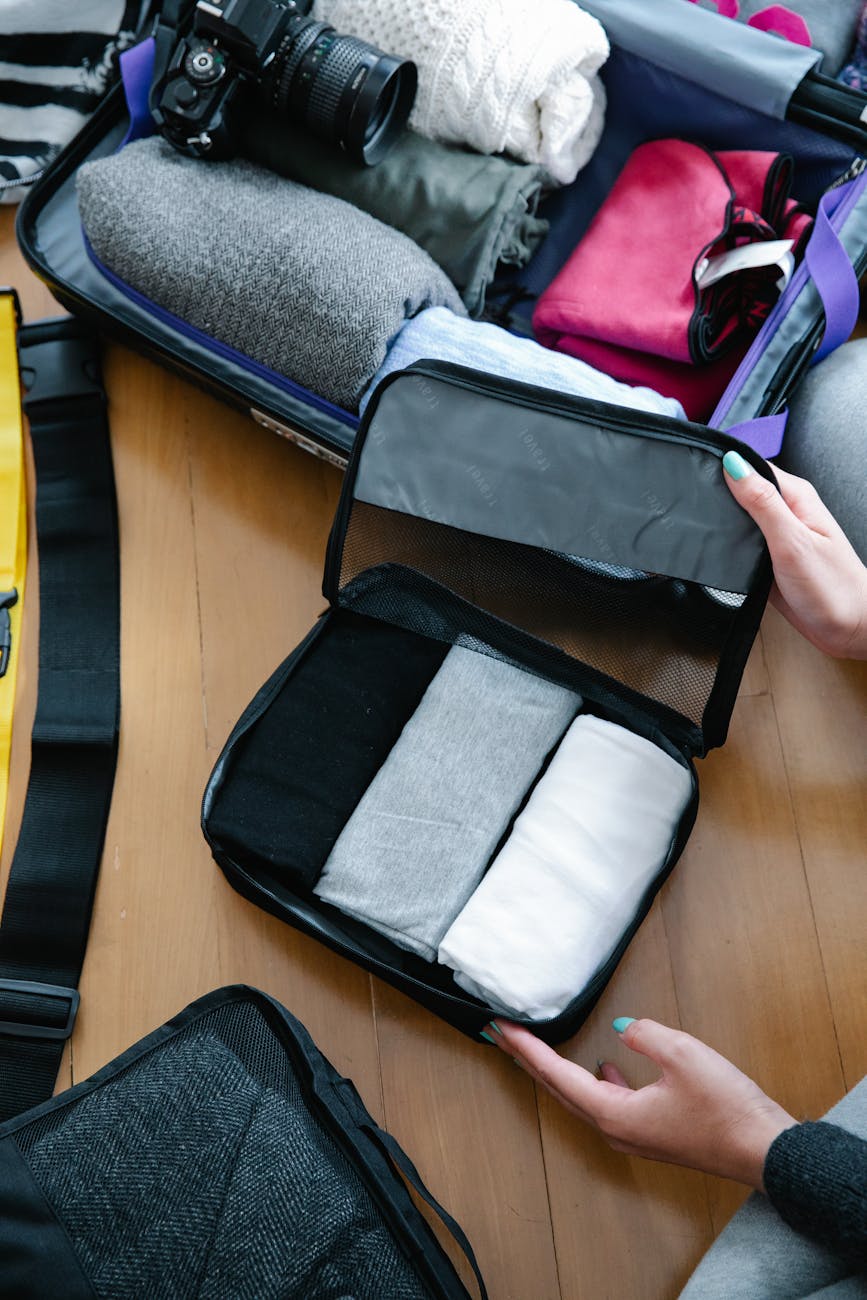
Photo by Timur Weber on Pexels
Pro tip from experience: bring a Women’s Lightweight Long-Sleeve Water-Resistant Packable Puf….
Must-See Attractions and Activities
You can’t see all of Bolivia in one trip, unless you unlock some secret time power. So you pick your highlights.
Salar de Uyuni and the South
Salar de Uyuni feels like another planet. I book a tour that covers the salt flats, colorful lagoons, and flamingos. I pack sunglasses and sunscreen, then pack them again, because that white ground reflects everything.
Cities and Culture
La Paz gives you cable cars, wild streets, markets, and nightlife. Sucre offers white buildings, calm vibes, and great coffee. I love to wander old plazas, visit small museums, and watch daily life more than I chase every single “top 10” sight.
Nature and Adventure
You find trekking, biking routes, jungle tours, and lakes. I pick one big experience per region instead of stuffing the schedule. That way I enjoy it, not just collect photos for social media.
Ask yourself what excites you more: salt flats, jungle, or mountains? Build everything else around that.

Photo by Jonas Dücker on Unsplash
Not gonna lie, (3 PACK) Square Polarized Sunglasses for Men Vintage Style D… was one of my better purchases for protecting my eyes from the intense glare.
Cultural Etiquette and Local Customs
Bolivia feels extra fun when you show some respect for local culture. Also, people show way more kindness when you try.
I greet shop owners and drivers with a simple “buenos días” or “buenas tardes”. I ask before I take photos of people, especially in markets or villages. Some people hate cameras, and I get that.
Cash matters. I carry small bills and coins because many places can’t break big notes. I never flash money or phones in busy streets. I keep things simple and low-key.
I dress modestly in smaller towns and during festivals. I also drink slowly at parties, because altitude and alcohol mix like chaos. IMO, the word respeto works great here: show it, and people often treat you like a welcome guest, not a walking wallet.
What worked best for me was Bolivian Swear Words: Essential Bolivian Spanish and Quechua… to help me learn a few key phrases, which locals really appreciate.
Navigating Transportation Options
Transport in Bolivia feels like a mix of adventure, patience, and random surprises. But you can still plan it in a smart way :/
| Transport | Buses | Flights |
|---|---|---|
| Cost | Cheap and budget friendly | Higher price, big time saver |
| Comfort | Varies a lot by company and seat type | More stable comfort and shorter trips |
| Experience | Local vibe, scenery, stories | Fast, simple, less interaction |
| Best For | Short to medium routes, slow travel | La Paz–Uyuni, La Paz–Santa Cruz, tight schedules |
I mix both. I use buses for shorter rides and flights for long hauls when I want more time in actual places, not just on roads. Inside cities, I use registered taxis or rideshare apps when they exist. I keep the address written down, because my accent kills me every time I say street names.
Learn the word terminal for bus stations, show up early, and keep your bag close. You handle transport fine with a bit of patience and humor. FYI, snacks help a lot too 😉
Ended up buying Travel Pillow 100% Pure Comfortable U Shape Memory Foam Pill… halfway through my trip — should have packed it from day one.
So that’s the plan: understand the regions, sort your documents, pack for wild climate swings, pick a few must-see spots, and move around the country with a bit of strategy. Bolivia rewards slow and curious travelers, not rushed checklists. You feel the altitude, you taste new food, you hear three different languages in one market, and you leave with some stories you can’t repeat to your parents.
If you remember the big pieces like altitude, layers, cash, and basic Spanish, you already sit ahead of past-me on my first messy visit. Plan the basics, leave room for surprise, and let Bolivia work its magic on your trip to Bolivia. Honestly, that mix works for almost every adventure. 🙂


