High in the Andes, this old silver city still shapes daily life.
If you love history, bold landscapes, and real stories, this place will stay with you.
Here are focused, powerful ways to experience its past with respect and curiosity.
Walking the Colonial Streets Around Plaza 10 de Noviembre
Stroll the narrow stone streets around Plaza 10 de Noviembre to feel the city’s colonial heart up close.
Balconies in dark wood, arched doorways, and faded pastel walls create a strong sense of time. This area suits slow morning walks or golden-hour photos.
Finish with a coffee in a small café facing the square.
Credit to @machutravelperu
Guided Visit to Cerro Rico Mine Entrances
Join a guided visit to the lower mine entrances of Cerro Rico to understand the mountain’s hard mining legacy with context and respect.
Helmets, lamps, and simple gear show the rough conditions miners still face. This experience fits thoughtful travelers ready for strong stories.
End with quiet reflection at a lookout over the city.

Credit to @scilista
Exploring the Casa Nacional de la Moneda Museum
Step into the Casa Nacional de la Moneda museum to explore Bolivia’s colonial silver power in the building that once minted coins.
Thick stone walls, huge wooden machines, and cool courtyards create a solemn, museum-like calm. Visit in the afternoon when light cuts across the patios.
Finish by viewing old coins and detailed religious art.

Climbing to Hilltop Viewpoints at Sunset
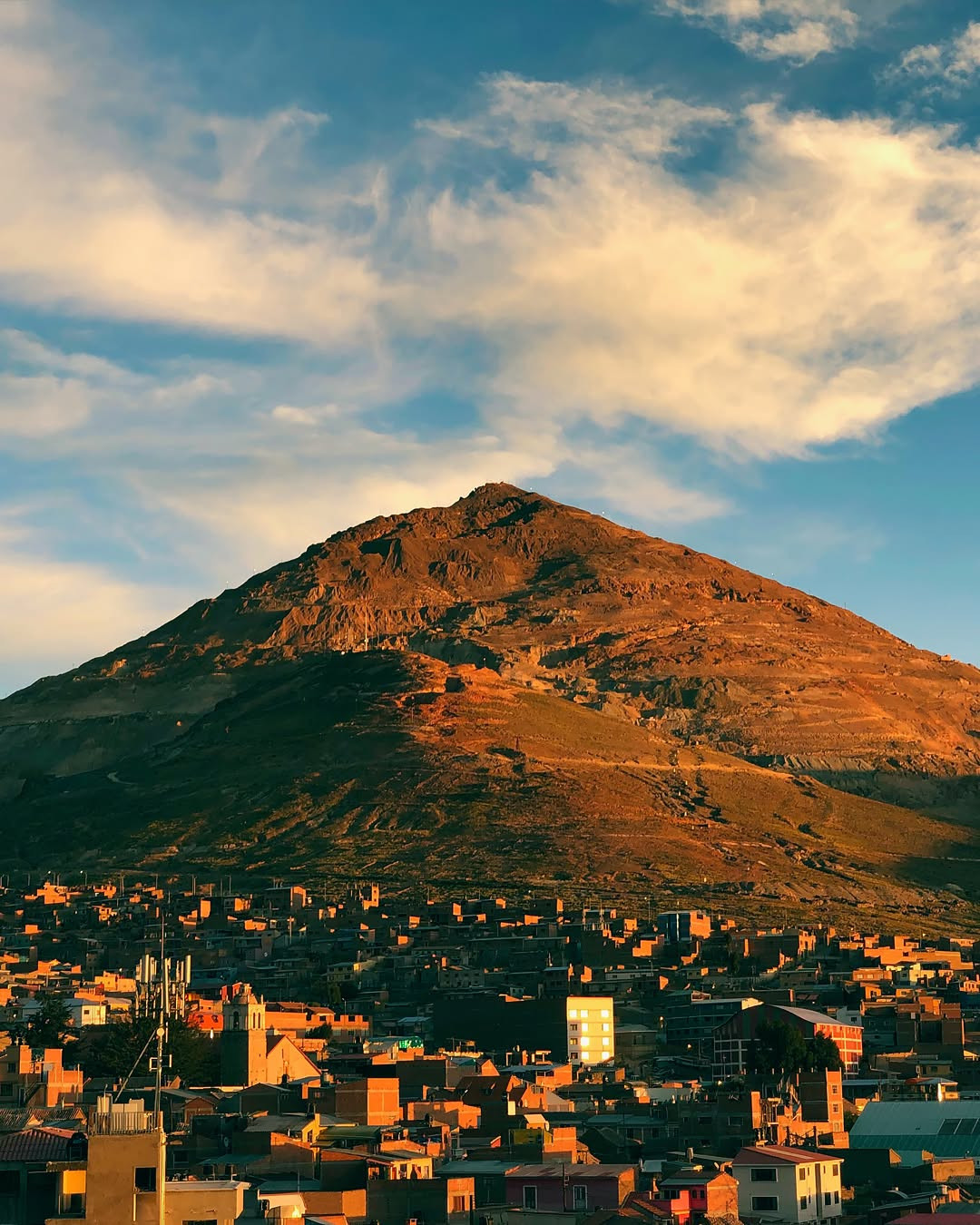
Walk up to hilltop viewpoints like the Calvario area to enjoy wide views of Potosí’s Andean skyline as the light softens.
Red roofs, church towers, and Cerro Rico form a dramatic outline against the sky. This works best at sunset or early morning.
Finish with layered clothing, a camera, and a warm drink in your daypack.

Credit to @coachascanio
Visiting Historic Churches and Baroque Facades
Tour key churches such as San Francisco or San Lorenzo to see rich stone carvings that reveal the city’s Andean Baroque style.
Twisting columns, carved saints, and native symbols blend European and local art. These spaces feel quiet and reflective.
Finish by noting small details on doors, pulpits, and side chapels.

Staying in Restored Colonial Guesthouses
Choose a stay in a restored colonial guesthouse with inner courtyards to sleep inside living architectural history.
Thick adobe walls, creaking stairs, and tiled patios create a calm, enclosed world. This suits travelers who enjoy slower mornings and evening reading corners.
Finish with simple wool blankets, local textiles, and warm tea nearby.

Credit to @hostalcolonialpotosi.bo
Tasting Local Dishes in Traditional Potosino Eateries
Eat in traditional potosino eateries serving dishes like kalapurka or spicy chorizos to taste the region’s high-altitude food heritage.
Clay bowls, thick soups, and roasted meats match the cool mountain air. This works well after walking tours and museum visits.
Finish with local drinks, simple bread, and shared plates at a small table.
This mountain city rewards travelers who move slowly, look closely, and listen to its difficult stories.
When you walk its streets with care, every view, meal, and stone wall becomes part of a powerful journey into the history of Bolivia and the Andes.


