Trujillo sits on Peru’s northern coast. It holds ancient ruins, colonial charm, and vibrant culture.
You will find pyramids that rival Egypt’s wonders. You will walk streets lined with colorful mansions. You will discover traditions that have survived for thousands of years.
This city offers experiences you cannot find anywhere else. Ready to explore what makes Trujillo unforgettable?
Chan Chan Archaeological Zone
Chan Chan stands as the largest adobe city ever built.
This ancient capital of the Chimú Empire covers nearly 14 square miles. You walk through massive walls decorated with intricate friezes showing fish, birds, and geometric patterns.
The UNESCO World Heritage Site reveals how a civilization thrived here from 850 to 1470 AD.
Visit early morning when soft light makes the clay walls glow golden. The site opens daily, and you need about three hours to explore the main palace complexes properly.

Huacas del Sol y de la Luna
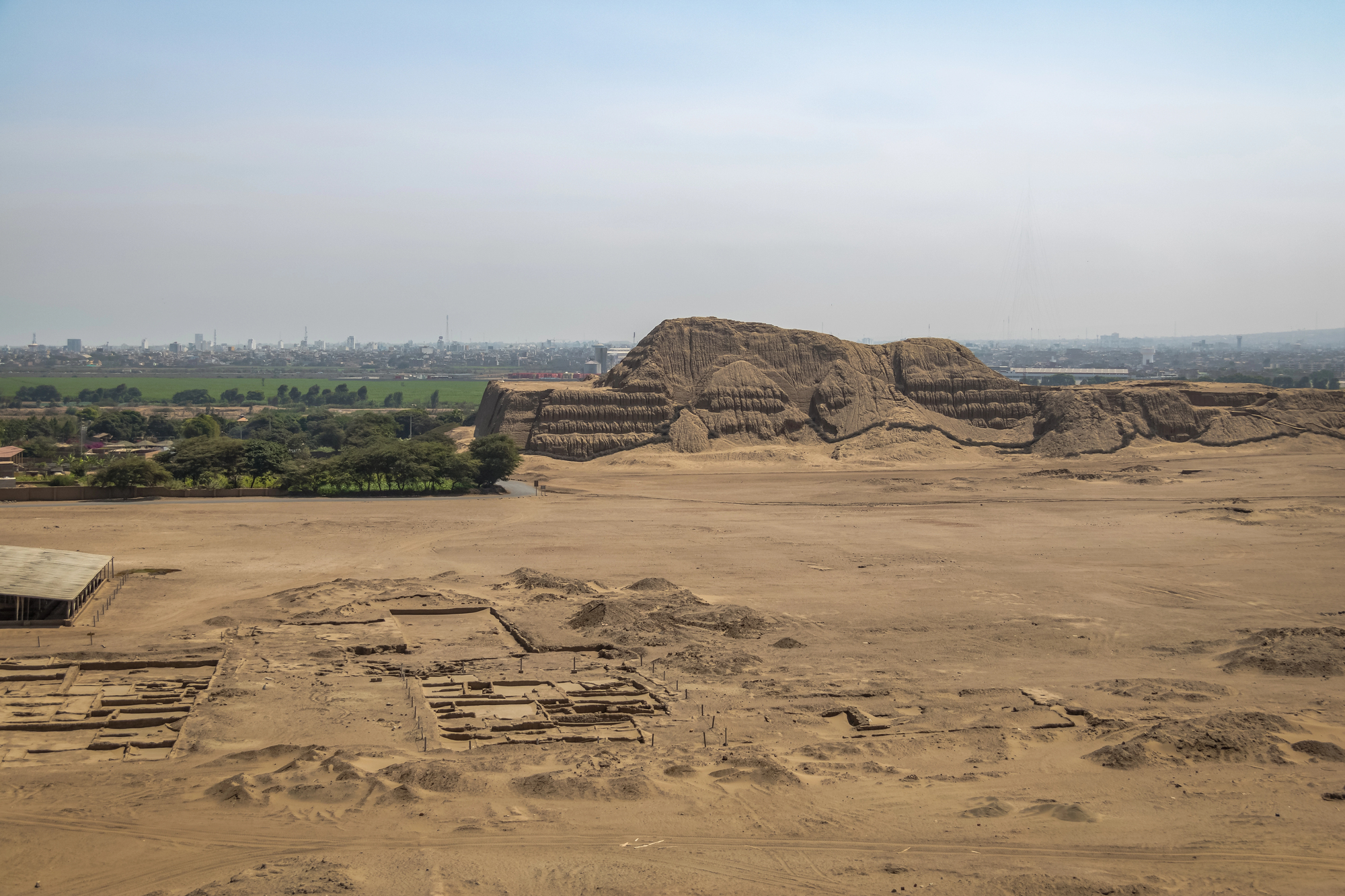
These twin pyramids showcase the architectural genius of the Moche civilization.
Huaca de la Luna features stunning murals painted in red, yellow, white, and black. The colors remain vivid after 1,500 years.
You can see layers of construction where each generation built over the previous temple.
The on-site museum displays ceramics, textiles, and jewelry found during excavations. Guides explain the complex religious ceremonies that took place on these platforms.
Plaza de Armas and Historic Center
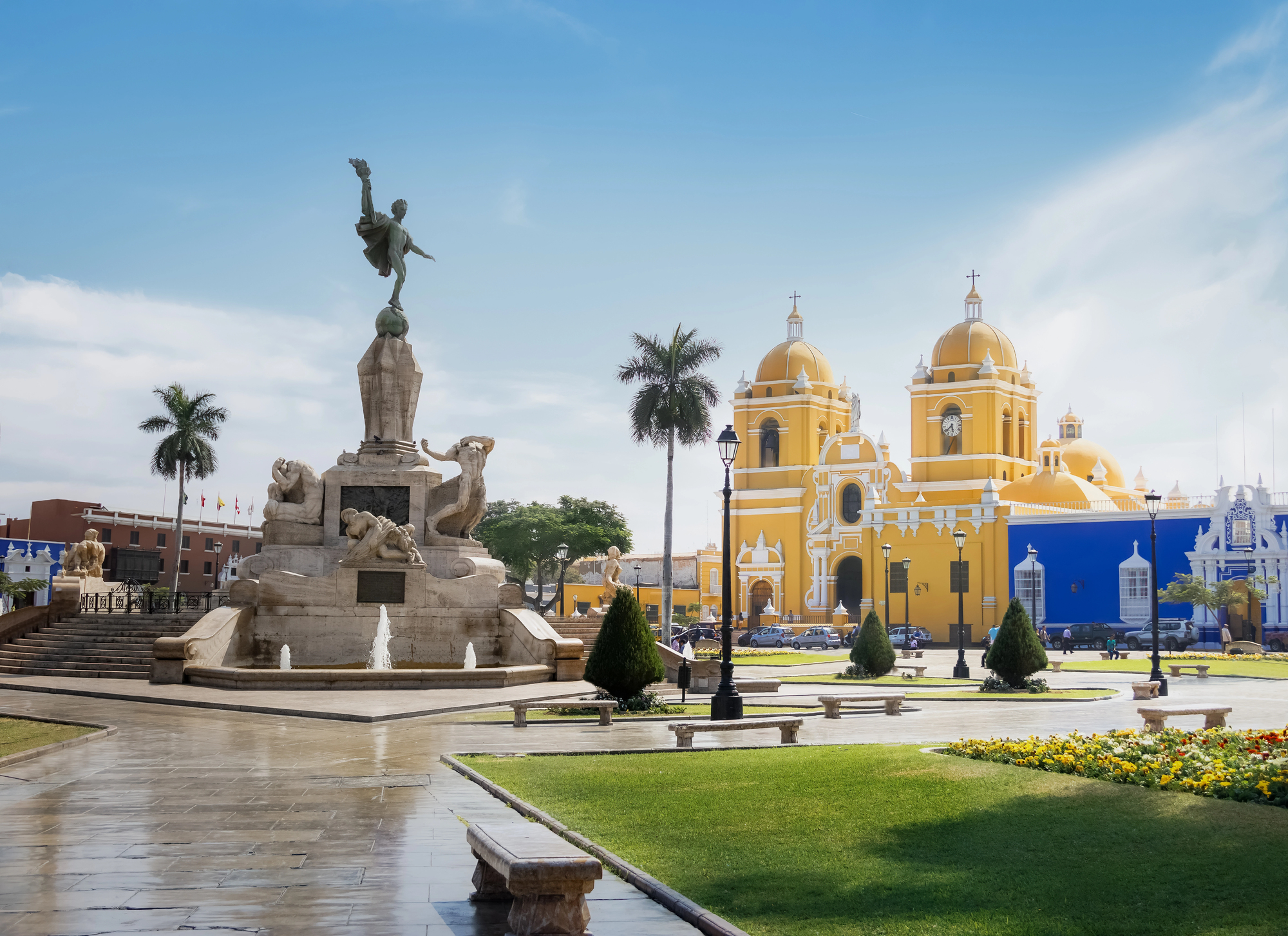
Trujillo’s main square captures the elegance of colonial Spanish America.
The cathedral dominates one side with its pale yellow facade and ornate altar covered in gold leaf. Mansions painted in bright blues, greens, and ochres surround the plaza.
Casa Urquiaga and Casa de la Emancipación open their doors to visitors.
You step into courtyards with carved wooden balconies and antique furniture. The Freedom Monument stands at the plaza’s center, celebrating Peru’s independence. Evening brings a magical atmosphere when lights illuminate the buildings and families gather on wrought-iron benches.
Huanchaco Beach
This fishing village maintains traditions that date back to pre-Columbian times.
Fishermen still use caballitos de totora, reed boats that have carried people across waves for over 3,000 years. You watch them ride the surf with catches of fresh fish.
The beach offers excellent conditions for surfing and learning water sports.
Restaurants along the pier serve ceviche made from fish caught that morning. The sunset view from the colonial church perched on a small hill creates perfect photo opportunities. Huanchaco provides a relaxed contrast to the archaeological intensity of other attractions.

El Brujo Archaeological Complex
This site revealed one of archaeology’s most significant discoveries in 2006.
The Lady of Cao, a female Moche ruler, was found buried with weapons and ceremonial items. Her tattooed mummy now rests in a climate-controlled museum.
The discovery changed understanding of women’s roles in ancient Peruvian societies.
Huaca Cao Viejo displays colorful murals showing warriors, prisoners, and ritual dances. The complex sits about 40 miles north of Trujillo, making it a perfect half-day trip. You gain insight into how powerful women shaped history long before modern times.
Museo de Arqueología
This museum houses the most comprehensive collection of northern Peru artifacts.
You see the evolution of coastal cultures from 12,000 BC to the Inca conquest. Galleries display Moche portrait vessels that show individual faces with remarkable detail.
Chimú metalwork demonstrates advanced techniques in gold and silver craftsmanship.
The museum occupies a restored 17th-century house called Casa Risco. Interactive displays help you understand the connection between objects and the sites you visit. Spend an hour here before exploring archaeological zones to maximize your appreciation of what you will see.

Paseo Pizarro and Modern Trujillo
This pedestrian boulevard shows how Trujillo balances heritage with contemporary life.
Cafes, bookstores, and artisan shops occupy restored colonial buildings. Street performers and musicians create a lively atmosphere on weekend evenings.
The boulevard connects the historic center to newer neighborhoods.
You find restaurants serving traditional dishes like shambar soup and cabrito con frijoles. Local markets nearby sell fresh produce, handwoven textiles, and silver jewelry. The area comes alive during the National Marinera Festival when dancers in elaborate costumes perform Peru’s signature dance throughout the streets.
Trujillo gives you direct access to civilizations that built empires before Europe knew the Americas existed. You walk where rulers commanded thousands and artists created masterpieces that still inspire awe. The city rewards curious travelers with stories carved in clay, painted on walls, and woven into living traditions.
Book your trip during the dry season from May to October for the best weather. Trujillo waits to share its treasures with you.


