Peru, a land of ancient mysteries and breathtaking natural beauty, calls to travelers seeking adventure, culture, and unforgettable experiences. From the towering peaks of the Andes to the vibrant coastal cities and the lush Amazon rainforest, this South American gem offers a diverse tapestry of landscapes and traditions. Planning a journey to such a vast and varied country can feel overwhelming, especially when aiming to maximize every moment. How can one ensure a comprehensive yet enjoyable exploration of Peru’s highlights?
This article serves as your essential guide to building a personalized Peru travel itinerary. We will explore key considerations, iconic destinations, and practical tips to help you craft a travel plan that aligns perfectly with your interests, budget, and desired pace. By understanding the country’s unique challenges and opportunities, you can design an ideal trip, transforming your travel dreams into a well-structured reality.
Understanding Peru's Diverse Landscape and Regions
Peru’s geography is remarkably varied, influencing everything from its climate to its cultural experiences. Before you begin sketching your itinerary, recognizing these distinct regions is crucial. The country broadly divides into three main zones: the arid Pacific coast, the majestic Andean highlands, and the dense Amazon jungle.
The Pacific Coast includes the bustling capital, Lima, known for its culinary scene and historical sites. Cities like Paracas offer marine wildlife and desert oases. Moving inland, the Andean Highlands are home to the Sacred Valley, Cusco, and the iconic Machu Picchu. This region presents stunning mountain vistas, ancient Incan ruins, and vibrant indigenous cultures, but also requires acclimatization to high altitudes. Finally, the Amazon Rainforest in the east provides unparalleled biodiversity, offering unique wildlife viewing and ecological adventures. Each region presents its own set of attractions and logistical considerations, making your choice of areas a primary driver for your Peru travel guide.

Photo by Abdul Kayum on Pexels
To truly grasp Peru's varied landscapes and plan accordingly, a comprehensive Fodor's Essential Peru: With Machu Picchu & the Inca Trail (… will be your best friend.
Defining Your Travel Style and Budget
Crafting an ideal Peru itinerary begins with a clear understanding of your personal travel preferences and financial limits. Are you an intrepid explorer seeking rugged adventures, or do you prefer a more comfortable and structured tour? Your answers will significantly shape your choices regarding accommodation, transport, and activities.
Consider your budget carefully. Peru offers options for every price point, from luxury lodges and private tours to budget-friendly hostels and local buses. High-end experiences often include guided treks, boutique hotels, and gourmet dining. Budget travelers can save by opting for guesthouses, local eateries, and public transportation. Think about the type of experiences you value most. Is it cultural immersion, historical exploration, or natural adventure? Prioritizing these aspects will help allocate your resources effectively and ensure your Peru travel guide reflects your true desires.

Photo by Renzo Alarco on Pexels
As you define your unique travel style and budget, jotting down your thoughts and preferences in a beautiful 3 Pack Pocket Notebook Journals can help solidify your plans.
Key Destinations: Must-See Wonders of Peru
Peru boasts a wealth of iconic sites, each offering a distinct experience. Incorporating these into your itinerary requires careful planning to balance exploration with travel time.
- Machu Picchu: The undisputed highlight for many, this ancient Inca citadel demands careful booking, often months in advance, especially for permits to hike the Inca Trail or Huayna Picchu. Access is typically via Cusco, followed by a train to Aguas Calientes.
- Cusco: The historical capital of the Inca Empire, Cusco is a vibrant city rich in colonial architecture and Incan foundations. It serves as the primary gateway to Machu Picchu and the Sacred Valley. Allow several days to explore its charming streets, museums, and nearby ruins.
- The Sacred Valley: Stretching between Cusco and Machu Picchu, this fertile valley is dotted with significant Inca sites like Pisac, Ollantaytambo, and Moray. Many travelers choose to spend a few days here, enjoying its beauty and lower altitude before heading to Machu Picchu.
- Lima: Peru’s sprawling capital offers a dynamic blend of history, art, and world-renowned gastronomy. Explore its historic center, a UNESCO World Heritage site, and indulge in its acclaimed culinary scene.
- Arequipa and Colca Canyon: Known as the “White City” for its striking sillar stone architecture, Arequipa is a beautiful colonial city. Nearby, Colca Canyon offers stunning landscapes and opportunities to spot Andean condors.
These destinations form the backbone of most Peru itineraries, but remember to consider travel time between them.
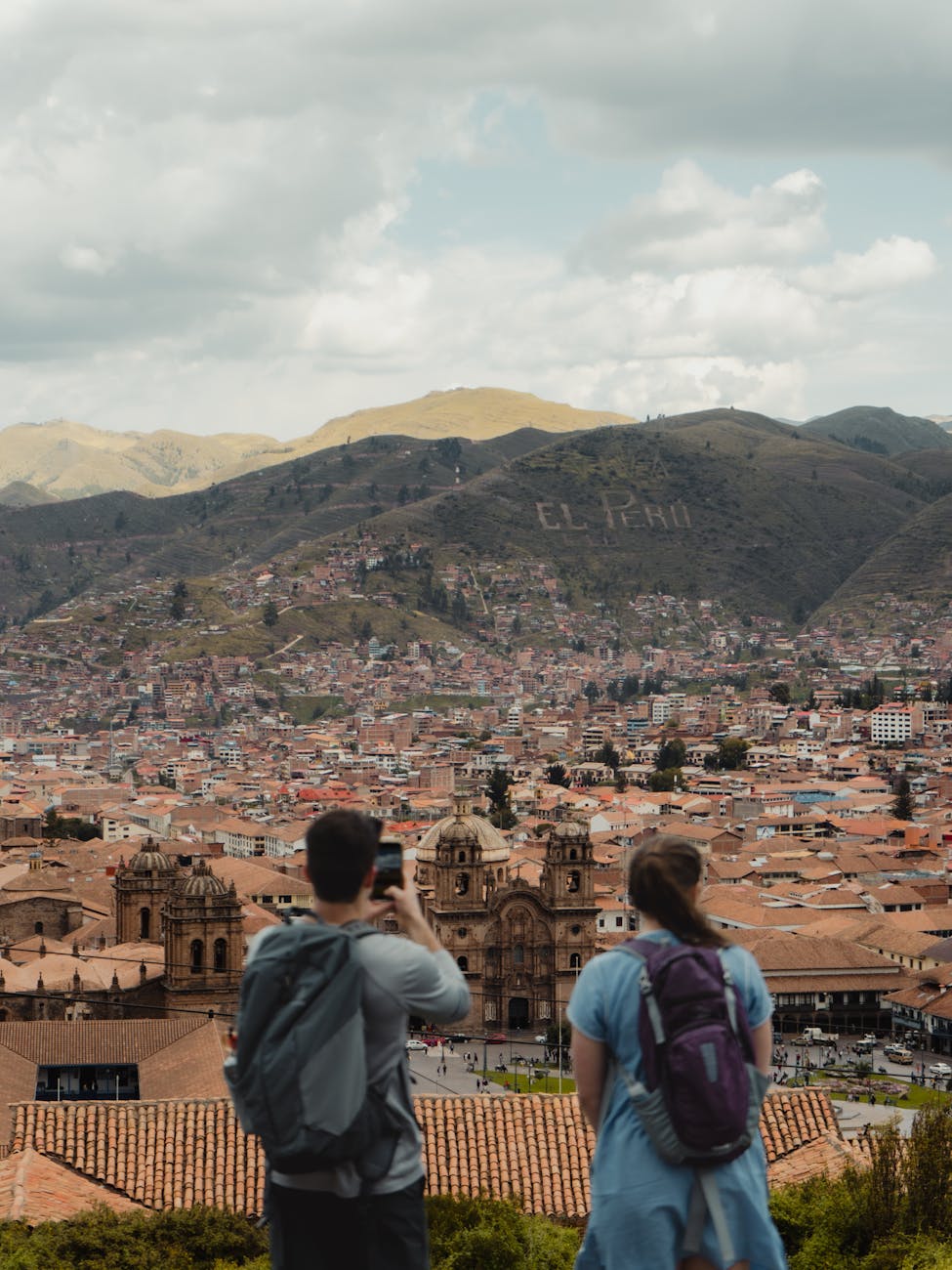
Photo by Antropologo En Ruta on Pexels
Capturing all the incredible sights of Peru's must-see wonders means keeping your devices charged, so a reliable INIU Portable Charger is essential.
Crafting Your Itinerary: Pacing and Logistics
Once you have identified your desired destinations, the next step is to arrange them into a logical sequence, considering travel time and acclimatization. How many days should you allocate to each location, and what is the most efficient way to move between them?
Recommended Duration Guidelines:
- Lima: 1-2 full days for city exploration and culinary experiences.
- Cusco & Sacred Valley: At least 4-5 days. This allows for acclimatization, exploring Cusco, and visiting key Sacred Valley sites like Pisac, Ollantaytambo, and Moray, before heading to Machu Picchu.
- Machu Picchu: 1-2 days (including travel to Aguas Calientes and the site visit). Consider an overnight stay in Aguas Calientes for an early morning visit.
- Arequipa & Colca Canyon: 3-4 days to enjoy the city and a multi-day trip to the canyon.
- Amazon Rainforest: Typically 3-5 days for a jungle lodge experience.
Internal travel often involves flights between major cities like Lima, Cusco, and Arequipa to save time. Buses are a more economical option for shorter distances or for those with more time, especially within the Sacred Valley. When designing your Peru itinerary, build in buffer days to account for unexpected delays or simply to relax and absorb your surroundings.

Photo by Jackie Martinez on Unsplash
When you're mapping out your itinerary and considering logistics, a dedicated Clever Fox Travel Journal – Itinerary Travel Planner Organiz… can help you organize every detail.
Altitude Sickness Management and Health Considerations
Traveling to Peru, especially to its Andean regions, means confronting high altitudes. Altitude sickness, or Acute Mountain Sickness (AMS), is a real concern that can significantly impact your trip if not managed properly. Symptoms can include headaches, nausea, dizziness, and fatigue.
To minimize risks, plan for gradual ascent and acclimatization. Upon arrival in Cusco (around 3,400 meters or 11,150 feet), dedicate at least one full day to rest and light activity. Many travelers choose to start their Andean journey in the Sacred Valley (around 2,800 meters or 9,200 feet), which is at a lower elevation than Cusco, before moving up. Stay hydrated by drinking plenty of water and coca tea, a traditional remedy. Avoid alcohol, heavy meals, and strenuous activity during your first 24-48 hours. Consult your doctor about prophylactic medication like Diamox before your trip. Additionally, ensure you have travel insurance that covers medical emergencies, and pack a basic first-aid kit with any necessary personal medications.

Photo by Nando Freitas on Pexels
If altitude sickness is a concern for your Andean adventures, having OxyBoost Complex. Altitude Formula for Acclimation to Ski or… on hand can make all the difference.
Cultural Immersion and Local Experiences
Beyond the famous landmarks, Peru offers a rich tapestry of cultural experiences that can deepen your appreciation for the country. Incorporating these local interactions into your Peru travel guide creates a more authentic and memorable journey. Are you open to stepping off the well-trodden tourist path?
Consider visiting local markets like San Pedro Market in Cusco, where you can observe daily life, sample regional produce, and purchase artisanal crafts. Engaging with local communities, perhaps through a homestay or a workshop on traditional weaving or pottery, provides unique insights into Peruvian culture. Attending a traditional festival or celebration, if your dates align, offers a vibrant display of music, dance, and customs. Food is also a cornerstone of Peruvian culture; take a cooking class to learn about regional ingredients and prepare classic dishes like ceviche or lomo saltado. These immersive experiences connect you directly with the heart of Peru, moving beyond mere sightseeing to genuine understanding.
To truly immerse yourself in local culture and connect with Peruvians, a handy Easy Spanish Phrase Book NEW EDITION: Over 700 Phrases for E… will help bridge any language barriers.
Essential Packing and Preparation for Your Peru Adventure
Preparing effectively for your Peru trip involves more than just booking flights and hotels; it also means packing smartly and handling practicalities. Given Peru’s diverse climates, what should you bring to stay comfortable and prepared?
For the Andes, layering is key. Pack warm clothing (fleece, down jacket), moisture-wicking base layers, and waterproof outer shells. Comfortable, broken-in hiking boots are essential if you plan to trek. Don’t forget a wide-brimmed hat, sunglasses, and high-SPF sunscreen, as the sun’s intensity is stronger at altitude. For the Amazon, lightweight, long-sleeved clothing to protect against insects, insect repellent, and a rain poncho are crucial. Always carry a small daypack for daily excursions, a reusable water bottle, and a universal power adapter. Make copies of important documents and store them separately, and inform your bank of your travel plans. Being well-prepared ensures a smoother and more enjoyable travel experience throughout your Peruvian adventure.
For smart packing and preparing for Peru's diverse climates, a versatile MIYCOO Backpack – Ultra Lightweight Packable Backpack for Tr… will keep your essentials safe and dry.
Booking and Planning: Tours, Accommodation, and Transport
Effective booking and planning are critical for a stress-free Peru trip, especially when dealing with popular attractions and diverse regions. How can you ensure all your arrangements are secure and efficient?
For Machu Picchu, book your entrance tickets and train tickets well in advance, especially during peak season (May to October). If you plan to hike the Inca Trail, secure permits up to six months ahead. When choosing accommodation, consider location, amenities, and reviews. In cities like Cusco, staying near the Plaza de Armas offers convenience, while in the Sacred Valley, a more secluded hotel might provide tranquility. For internal flights, book domestic carriers like LATAM or Sky Airline. For longer bus journeys, reputable companies such as Cruz del Sur offer comfortable and safe options. Many travelers opt for guided tours for specific excursions, particularly for Machu Picchu or Amazon jungle trips, as they handle logistics and provide expert insights. Reading reviews and comparing options helps secure the best value and experience for your Peru travel guide.
Building a personalized Peru travel guide is an exciting process that blends careful planning with an open mind for adventure. By considering Peru’s unique geography, defining your travel style, prioritizing key destinations, and managing practicalities like altitude and bookings, you can craft an itinerary that truly resonates with your desires. From the awe-inspiring heights of Machu Picchu to the bustling markets of Cusco and the serene depths of the Amazon, Peru promises a journey of discovery. With thoughtful preparation, your exploration of this incredible country will be not just a trip, but a profound and enriching experience.
Keeping all your bookings, tickets, and important papers in order is crucial for a stress-free trip, making a secure Passport Holder Family invaluable.


