You can cook 10 classic recipes from traditional Peruvian food without restaurant equipment or advanced skills. You’ll learn which ingredients and techniques matter most, plus where practical substitutions are safe.
The biggest mistake is replacing every unfamiliar ingredient at once. Keep the main flavor marker, such as golden ají amarillo, then adjust supporting ingredients as needed. A creamy yellow sauce, crisp-edged beef, or bright lime-seasoned potato should still carry the character of the original dish.
Start with the plate that looks manageable, then save the finer techniques for another cooking day.
1. Papas a la Huancaína, Smooth and Spicy
A plain potato salad relies on dressing for flavor, but this Peruvian favorite gets its identity from a thick, golden sauce. Papas a la Huancaína pairs tender potato slices with queso fresco and ají amarillo, a yellow chili with fruity heat.
Boil the potatoes whole or in large pieces so they don’t absorb too much water. Let them cool before slicing them into rounds about half an inch thick. The firm slices hold their shape beneath the rich sauce.
For the sauce, blend queso fresco, ají amarillo paste, a little milk, and plain crackers until smooth. Add the milk in small splashes. Too much liquid at the start can leave the spicy cheese sauce thin and difficult to fix.
If queso fresco isn’t available, combine feta with cream cheese. Feta supplies salt and tang, while cream cheese softens its sharp edge. Pour the pale gold sauce over the potatoes and serve them on crisp lettuce, often with black olives or hard-boiled egg.
Inca's Food Aji Amarillo Yellow Hot Pepper Paste brings the genuine flavor needed for this authentic regional dish.


Photo by Nano Erdozain on Pexels
2. Arroz Chaufa and Peru’s Chifa Tradition
A wide skillet sits over high heat as cold rice, egg, and green scallions move quickly across its hot surface. This is arroz chaufa, a Cantonese-Peruvian fried rice shaped by Peru’s long history of Chinese cooking.
Why Chifa Belongs Here
Chifa cooking forms a lasting part of Peruvian food culture. Arroz chaufa and tallarín saltado use Cantonese stir-fry methods with ingredients and tastes familiar in Peru, so they belong beside other established national dishes.
- Use day-old rice because its dry, firm grains separate better.
- Heat a broad skillet before adding oil, egg, and rice.
- Add soy sauce around the hot edge instead of soaking one spot.
- Fold in sliced scallions near the end to keep their fresh color.
Cook in batches if your pan feels crowded. A packed skillet traps steam, which creates soft clumps instead of distinct fried grains. Keep every ingredient ready beside the stove because the cooking moves fast once the rice hits the pan.

Photo by Nano Erdozain on Pexels
3. Andean Quinoa Soup for Beginners
Need a Peruvian recipe that allows room for adjustment? A warm quinoa soup is gentle enough for a first attempt, yet it still features long-established Andean ingredients such as quinoa, potatoes, and chili peppers.
Rinse Before Simmering
Place the quinoa in a fine-mesh sieve and rinse it under cool water. This removes the natural outer coating that can taste bitter. Shake away the extra water before adding the grains to the pot.
Start with onion and a mild amount of ají, then add diced potatoes and firm vegetables. Carrots, squash, or peas fit easily into the broth. Pour in chicken broth for a fuller taste or vegetable broth for a meat-free version.
Simmer until the quinoa opens into tiny curls and the potatoes feel tender when pierced. Stir gently because hard mixing can break the potato pieces and cloud the broth.
The rinsed quinoa gives the soup a clean, earthy flavor and a light body. Taste before adding more chili. Ají should warm the broth without hiding the vegetables or the soft grain.
9" Large Fine Mesh Strainer removes the bitter coating completely without letting tiny grains slip down the drain.


Photo by Keesha's Kitchen on Unsplash
4. Causa Rellena with Clean Layers
This dish suits cooks who enjoy neat layers and make-ahead meals. Skip it on a rushed evening because the potato mixture needs time to cool before assembly. Causa rellena is a cold potato casserole with a sunny yellow color and a creamy center.
Yellow potatoes provide the best base, though another floury potato can work. Mash them while warm, then season with lime juice, salt, oil, and ají amarillo. The chili gives the potatoes their distinct Peruvian character.
- Spread half the cooled mash in a glass dish or small ring mold.
- Add a thin layer of seasoned tuna or shredded chicken.
- Cover with the remaining potato and smooth the top gently.
- Chill before cutting so the layers stay clean.
Don’t assemble the causa while the mash is hot. Warm potato can turn sticky, and it may soften a mayonnaise-based filling. Let the mixture reach room temperature first.
Use lightly oiled hands or a flat spoon to press each layer without packing it hard. Garnish with avocado, olives, or sliced egg for contrast against the golden potato.

Photo by Nano Erdozain on Pexels
5. Tallarín Saltado Without Soggy Noodles
This method prevents the soft, watery noodles that can spoil a homemade tallarín saltado.
Stop Cooking Them Early
Boil the noodles until they’re just shy of done, then drain them thoroughly. They’ll finish cooking as they absorb the sauce. Spaghetti makes a practical substitute and keeps the familiar long shape of tallarín saltado.
Do not rinse the noodles or leave them sitting in hot water. Let them drain until excess moisture is gone, then toss them with a small amount of oil if they must wait.
Add Only Enough Sauce
Combine the soy sauce and other liquid seasonings before adding them. Use enough to lightly coat the noodles rather than leaving sauce in the bottom of the skillet, which makes the strands soggy.
Add the drained noodles near the end. Use tongs to lift and turn them rather than pressing or stirring heavily with a spoon. Quick, gentle tossing distributes the savory sauce without breaking the strands or letting them soak.
Tallarín saltado shares its Cantonese-Peruvian roots with arroz chaufa, but noodles need closer attention to moisture and doneness. Remove them from the skillet as soon as they are tender and evenly coated.

Photo by sajeesh Gangadharan on Unsplash
6. Lomo Saltado with Proper Searing
A wide steel pan gives beef enough room to brown. Cut sirloin or another quick-cooking cut into even strips, then dry the surface with paper towels. Damp beef releases water and steams before it can form a dark crust.
Heat the pan until it feels very hot, then add a thin layer of oil. Cook the beef in small batches. Leave each batch untouched for a short time before turning it, since constant stirring blocks proper searing.
Move the browned meat to a plate. Add thick red onion wedges and tomato slices to the same pan. They should soften at the edges yet keep some bite, which creates the defining contrast in this Peruvian beef stir-fry.
Return the beef and pour in a simple mix of soy sauce and vinegar. Toss quickly so the sauce coats the ingredients without making the vegetables limp. Taste before adding salt because soy sauce already carries plenty.
Serve lomo saltado at once, often with rice and fried potatoes. Keep both sides ready before the final toss. The dish loses its lively texture when it waits too long in the pan.
YOSUKATA 13.5″ Pre-Seasoned Flat Bottom Black Carbon Steel Wok reaches the intense heat required for proper stir-fry searing.
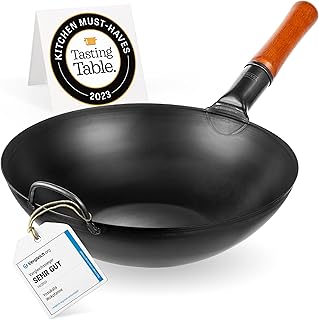

Photo by Guillermo Sifuentes on Pexels
7. Ají de Gallina’s Creamy Sauce
Blend the sauce before it reaches the pot. This single step prevents dry bread, nuts, or chili pieces from breaking the smooth texture of ají de gallina.
Build the Sauce First
Soak soft bread in milk until it breaks apart easily. Blend it with ají amarillo, nuts, and enough liquid to keep the blades moving. If suitable bread isn’t available, plain crackers can thicken the sauce, though you may need less added salt.
- Cook and shred the chicken into thin, bite-size strands.
- Blend the soaked bread mixture until no dry pieces remain.
- Pour it into a wide pot and simmer over low heat.
- Fold in the chicken once the sauce looks smooth.
Stir often as the creamy chicken stew cooks. Milk and nuts can catch on the bottom if the heat runs high. Add reserved chicken cooking liquid a little at a time when the sauce becomes too thick.
The finished sauce should cling to a spoon yet still spread across the plate. Serve it with rice, potatoes, or both. For a gentle first attempt, use a modest amount of ají amarillo, taste after simmering, and add more only if needed.

Photo by Muhammad Khawar Nazir on Pexels
8. Ceviche with Careful Citrus Timing
A common mistake is leaving fish in lime juice until it turns firm and chalky. Use very fresh, firm raw fish and dress it shortly before serving instead. Careful citrus timing keeps the center tender while the outside changes color.
Cut the fish into even cubes with a clean, sharp knife. Uneven pieces cure at different rates, leaving small cubes tough before larger ones are ready. Keep the fish cold as you prepare the remaining ingredients.
Mix Just Before Serving
Add fresh lime juice, thin red onion slices, cilantro, and finely cut chili. Toss gently so every piece meets the citrus. Let the mixture rest only long enough for the surface of the fish to turn opaque while the middle stays soft.
Red onion brings crunch, while chili adds heat without covering the clean fish flavor. Rinse sliced onion briefly in cold water if its raw bite feels too strong. Drain it well so extra water doesn’t weaken the lime mixture.
Ceviche appears often among Peru’s defining traditional dishes, yet its short ingredient list leaves little room for poor fish or old citrus. Buy fish from a trusted source and say that you plan to serve it raw. Prepare the garnishes first, then cut and dress the fish last.
SHAN ZU 10 Inch Japanese Sushi Knife glides smoothly through delicate raw fish for clean, even cubes.


Photo by Luiz Henrique Mendes on Pexels
9. Rocoto Relleno, Heat Made Manageable
Rocotos carry far more heat than common sweet peppers, but blanching makes them easier to enjoy. Wearing gloves, cut off the tops and remove the seeds and pale inner ribs. Boil the peppers for three minutes, drain them, and repeat twice with fresh water.
Keep some warmth because it defines rocoto relleno. After the third blanching, cool a pepper and taste a tiny piece from its wall. If it is still painfully hot, blanch it once more in fresh water; extra boiling can make it soft, so handle it gently.
- Fill the peppers with seasoned ground beef and chopped cooked egg.
- Top them with cheese before baking until hot.
- Use mild peppers with chopped hot chilies when rocotos aren’t available.
The substitute won’t copy rocoto’s exact flavor, but it keeps the contrast between a tender pepper, rich filling, and clear chili heat. Choose thick-walled peppers that can stand upright in a baking dish. Let the filling cool slightly before stuffing them, since very hot filling can soften the pepper too soon.

Photo by Diego Cancino on Pexels
10. Pollo Enrollado with a Crisp Crust
Pollo enrollado becomes a breaded chicken roll with a golden crust and warm filling. It takes more assembly than the other recipes, so set out sliced ham, cheese, coating ingredients, and tools before handling the chicken.
Roll It Tightly
Pound each chicken piece to an even thickness between sheets of baking paper. Place one slice each of ham and cheese near an edge, leaving a narrow border, then roll the chicken firmly. Secure the seam and ends with toothpicks so the filling stays enclosed.
Coat each roll evenly in flour, beaten egg, and crumbs. Press the crumbs onto bare spots to create a crisp fried crust around the whole roll.
Control the Pan Heat
Pour oil into a heavy pan for shallow frying and keep the heat moderate. Turn the rolls until every side is golden, about six to eight minutes in total. High heat can darken the coating before the center cooks.
Transfer the rolls to a 190°C oven and bake for 10 to 15 minutes. Check the thickest part of the chicken with an instant-read thermometer; it must reach 74°C. Rest the rolls for five minutes, remove every toothpick, and slice across them with a sharp knife.

Photo by Christopher Welsch Leveroni on Pexels
Conclusion
Where to Start Cooking
Lomo saltado offers a useful lesson that carries into many recipes: moisture controls browning. Drying the beef and leaving space in the pan can improve onions, chicken, and other quick-cooked ingredients too. It’s a small habit with wide value.
Set out every ingredient before heating the pan or mixing citrus into fish. Peruvian recipes often move quickly once cooking begins, and simple preparation protects texture better than rushing through the final steps.
Start with ají de gallina if you prefer a forgiving, comforting meal. Choose lomo saltado to practice high-heat cooking, or make ceviche when you have excellent fresh fish and want a cool dish with bright flavor.
Read next: 7 Peruvian Food Aji de Gallina Recipes for Beginners


