Your bag is open on the bed, and every extra layer feels like a bad choice by day three. south america travel fits need to handle humid afternoons, sudden rain, high-altitude cold and chilly overnight buses, sometimes in one trip.
The big mistake is packing single-use outfits instead of pieces that overlap. A soft grey tee under a thin black fleece works because you can peel layers off in sticky terminals, then pull them back on under harsh blue bus lights and cold air vents. The right fabric changes everything more than the trendiest cut, and the outfit ideas below make that easy to see.
1. Long-Haul Bus Layering Fit
Cold buses ruin outfits that looked fine at the station.
Start with the base
Build this look with a soft T-shirt, loose trousers and a packable fleece you can grab fast. A faded olive or charcoal tee hides travel marks better than bright white, and relaxed trousers feel better after hours in a seat. Keep the fit easy, not oversized, so the layers sit flat and don’t bunch at your waist.
Add and remove fast
The smart part is the layering. Bus terminals can feel warm and stuffy, then the cabin turns cold after dark. A light fleece folds small in your day pocket, and it gives warmth without making the outfit look like sleepwear. If your trousers have a soft woven fabric instead of stiff denim, you’ll stay comfortable longer and move through changing temperatures without needing a separate transit look.
Packing a Women's Full Zip Soft Polar Fleece Jacket Outdoor Recreation Coat ensures you stay warm on freezing night drives without adding bulk.


Photo by Darina Belonogova on Pexels
2. Breathable City Walking Fit
A light cotton or linen-blend top in white, sand or pale blue keeps this outfit cool under bright midday sun. Pair it with relaxed trousers that stop at the ankle and supportive sneakers with enough grip for uneven sidewalks. That shorter trouser length helps in dusty streets, surprise puddles and hot afternoons, while still looking neat after a full day on foot.
Add a thin button-up shirt when you want a cleaner city look. It works in museums, cooler indoor spaces and dinner later, and you won’t need to change the whole outfit. Choose one in a soft neutral shade so it still fits easily with the rest of your bag.
The piece that pulls this together is the ankle-length trouser. It feels cooler than a full break over the shoe, stays tidier on worn pavements, and still looks put together for city plans.

Photo by Hemant Singh on Pexels
3. Loose Cotton Jungle Fit
Skip tight shorts in humid areas. A loose cotton shirt with airy full-length trousers gives you better comfort, better coverage and less skin exposed to insects and rough plants.
Why this works in the heat
Humidity changes what feels good on your skin. Heavy fabrics trap sweat, and tight clothes start to cling fast. A light cotton shirt, worn a little loose through the body, lets air move across your skin. Full-length trousers in a thin woven fabric protect your legs without feeling heavy, especially if the cut stays straight and relaxed.
- Lightweight cotton shirt: Breathes better in sticky air and feels softer when the day gets damp.
- Airy full-length trousers: Cover your legs from bugs and brush, with less drag than thick hiking pants.
- Muted colors: Olive, tan and washed stone hide sweat marks and trail dust better than bright shades.
- Loose fit: Gives airflow at the waist and knees, where tight fabric gets uncomfortable first.
This outfit works best when you avoid bulky extras. Roll the sleeves down when you need more coverage, then push them up when the air feels still. The goal is simple: keep the fabric light, the shape easy and your skin protected without dressing in heavy gear.
Wearing a Women’s Soft 100% Cotton Regular-Fit Long-Sleeve Crewneck T-Shirt keeps your skin cool and covered in humid jungle weather.


Photo by Bruno Dias on Unsplash
4. Rainy Laundry-Day Backup Fit
Many people wash everything at once, then get stuck in damp denim or whatever was left at the bottom of the bag. Keep one fast-drying outfit aside instead, built from your quickest fabrics and a light rain layer.
Build the spare outfit right
Use your fastest-drying T-shirt, synthetic bottoms and a lightweight raincoat. A smooth technical tee dries much faster than cotton overnight, and synthetic trousers or shorts won’t stay heavy after a short shower. Denim is the weak link here. It holds water, dries slowly and takes up too much space when you need your bag to stay light.
The piece to remember is quick-dry fabric. Pick items you can wash in a sink and wear again soon after. In a small backpack, that backup outfit gives you a clean, presentable option when the rest of your clothes are still dripping on a hostel line.

Photo by Lucas Leonel Suárez on Pexels
5. Mild Beach-to-Town Fit
A full beach cover-up can feel too bulky for a backpack, and a swimsuit alone feels too bare once you leave the sand. A better move is a light outfit that shifts fast. Start with swim shorts or a swimsuit under loose shorts, then throw on an airy button-up shirt before you head to the street.
- Airy shirt: Pick cotton or a light blend in a pale color. Wear it open on the beach, then button it partway to dry off a little and add coverage for shops or cafés.
- Loose shorts: Choose a simple pair that can pull on easily over your swim layer. They make the outfit feel dressed enough off the sand without adding much weight to your bag.
This outfit earns space in your bag because the switch is simple and quick. The shirt can pair with trousers later, and the shorts still look right on a promenade, at lunch or on the walk back to town.

Photo by Ander Masó (Lord Ander M) on Pexels
6. Quick-Dry Trail Layering Fit
You step out early, the trail is damp, and the air still feels cool from the night. By midday, you’re warm and moving fast. This is when a hiking outfit needs to dry quickly and stay light on your skin.
Built for sweat and weather
Use a moisture-wicking top with trail trousers that won’t stay wet for hours. Add grippy shoes that handle loose paths and slick steps. Keep your lightweight rain shell near the top of your bag so you can grab it fast when clouds roll in.
What to skip on the trail
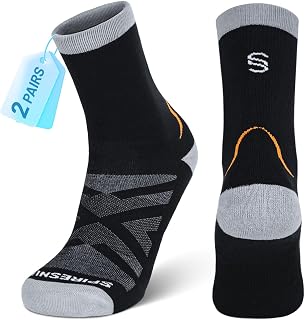
Cotton socks can hold dampness, which makes long walks feel rough by the end of the day. Choose quick-drying socks instead, and bring one spare pair if you expect wet ground. Trail trousers also beat denim here because they move better and dry far faster after rain or a stream crossing.
If your day includes both a hike and a town stop, pick dark neutral trousers. They look cleaner longer and blend in better once you’re off the trail.
Pulling on a pair of Hiking Socks Men Women, Moisture Wicking, 2-Pack keeps your feet dry and prevents painful blisters on damp trails.

7. High-Altitude Cold-Stop Fit
In mountain cities, the hard part is not constant cold but how fast the temperature can shift between a frosty morning, bright midday sun and a cold evening again. Pack three thin layers instead of one heavy coat. Start with a close base layer, add a soft fleece, then pull on a lightweight raincoat when wind moves through high streets or a shower rolls in.
Pair them with long trousers that feel easy to sit in on buses or walk in through steep streets. This setup works well because you can take off one piece at lunch, then put it back on when the sun drops behind buildings. That stop-start rhythm is common at altitude, even on the same day.
Choose a fleece that compresses well and a raincoat with a hood. Those two pieces also help on hikes and wet travel days, so they won’t sit unused in your bag.
Pulling on a Men’s Packable Rain Jacket Waterproof Lightweight Raincoat blocks sudden mountain winds and keeps you dry during high-altitude showers.


Photo by Duran Ekiz on Pexels
Start With One Shell
If you’re building your packing list from scratch, start with one simple rule: every piece should work in at least two of your outfits. That matters more than packing for one exact place, because South American backpacking often means moving between sun, rain, altitude and long travel days with the same small bag.
Use that rule to choose from your bag: pick a base for the day, then add the lightest layer that solves the next likely change in weather or setting. That keeps the 7 outfits easy to repeat, easier to carry, and simpler to adjust as the trip changes.
Read next: 7 Travel Outfits for South America for Backpacking


